mirror of
https://github.com/open-goal/jak-project
synced 2026-05-24 15:21:12 -04:00
 water111
3d4dfb2077
water111
3d4dfb2077
- Add "tfrag-water" tfrag tree support (may just be the same as Jak 1's 'dirt' for the settings) - Add "tfrag-trans" tfrag tree support, reusing "trans-tfrag" from jak 1. - Add a hack to `LinkedObjectFileCreation` to handle `oracle`, which is accidentally multiply defined as a type leftover from jak 1 (an entity in village1), and level info for jak 2. - Add `VI1.DGO` - add `time-of-day.gc`, and a few other stub functions so it works - Set up some time of day stuff in GOAL for jak 2/PC renderers - Clean up time of day in c++ renderers, support the more complicated weight system used by jak 2 (backward compatible with jak 1, thankfully) The mood functions now run, so this could cause problems if they rely on stuff we don't have yet. But it seems fine for ctysluma and prison for now. 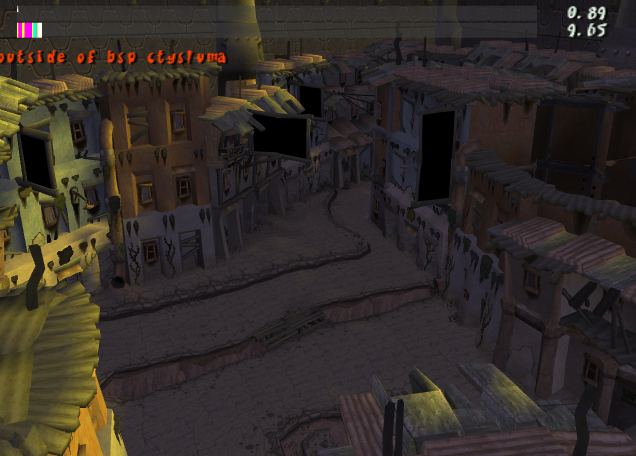 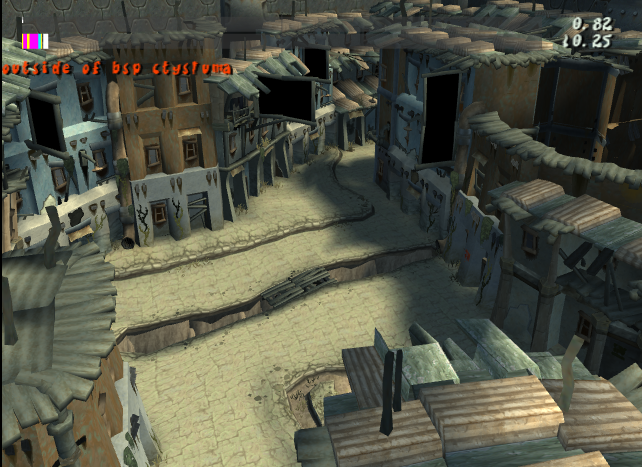 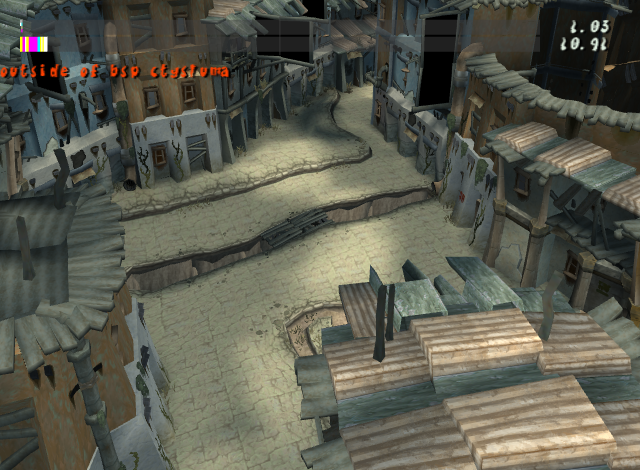 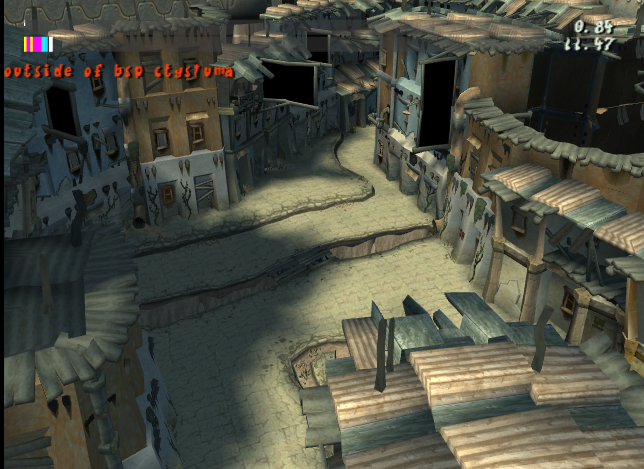 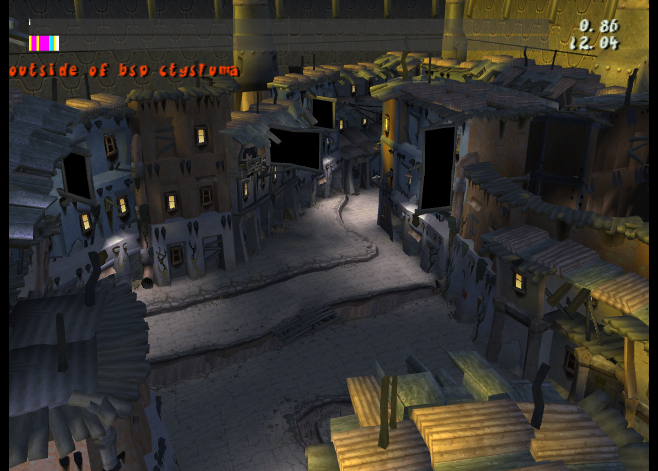 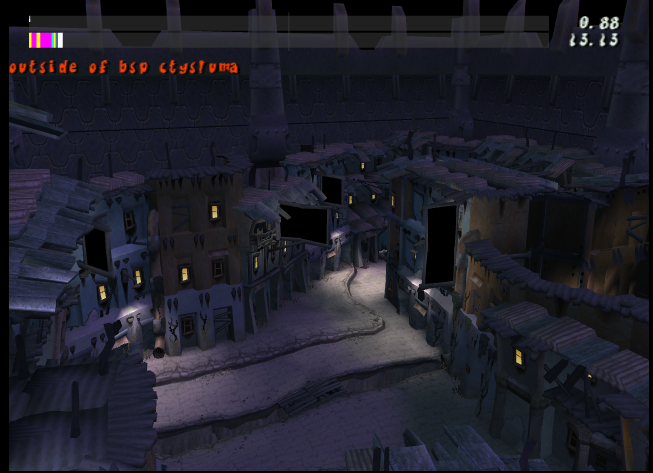 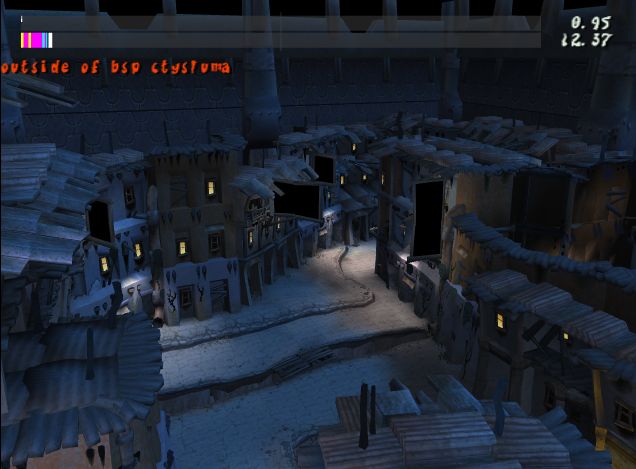 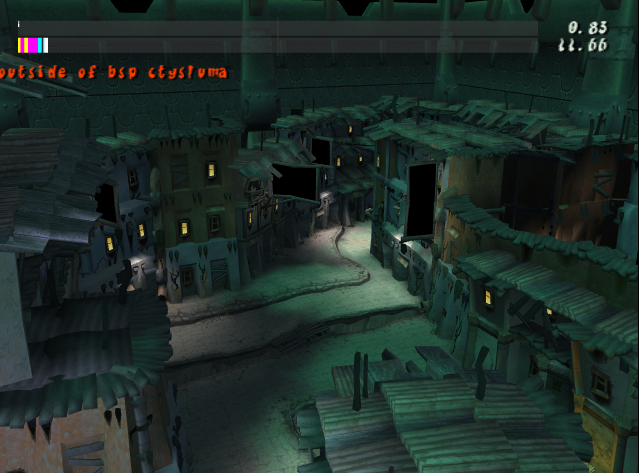








2399 lines
90 KiB
C++
2399 lines
90 KiB
C++
#include "extract_tie.h"
|
|
|
|
#include <array>
|
|
|
|
#include "common/log/log.h"
|
|
#include "common/util/FileUtil.h"
|
|
|
|
#include "decompiler/ObjectFile/LinkedObjectFile.h"
|
|
|
|
// Jak 2 notes:
|
|
// - proto flags are currently ignored, but stored.
|
|
|
|
namespace decompiler {
|
|
|
|
/// <summary>
|
|
/// Get the index of the first draw node in an array. Works for node or tfrag.
|
|
/// </summary>
|
|
/// <param name="array"></param>
|
|
/// <returns></returns>
|
|
u16 get_first_idx(const level_tools::DrawableInlineArray* array) {
|
|
auto as_tie_instances = dynamic_cast<const level_tools::DrawableInlineArrayInstanceTie*>(array);
|
|
auto as_nodes = dynamic_cast<const level_tools::DrawableInlineArrayNode*>(array);
|
|
if (as_tie_instances) {
|
|
return as_tie_instances->instances.at(0).id;
|
|
} else if (as_nodes) {
|
|
return as_nodes->draw_nodes.at(0).id;
|
|
} else {
|
|
ASSERT(false);
|
|
}
|
|
}
|
|
|
|
/// <summary>
|
|
/// Verify node indices follow the patterns we expect. Takes start as the expected first, writes the
|
|
/// end.
|
|
/// </summary>
|
|
/// <param name="array"></param>
|
|
/// <param name="start"></param>
|
|
/// <param name="end"></param>
|
|
/// <returns></returns>
|
|
bool verify_node_indices_from_array(const level_tools::DrawableInlineArray* array,
|
|
u16 start,
|
|
u16* end) {
|
|
auto as_tie_instances = dynamic_cast<const level_tools::DrawableInlineArrayInstanceTie*>(array);
|
|
auto as_nodes = dynamic_cast<const level_tools::DrawableInlineArrayNode*>(array);
|
|
|
|
if (as_tie_instances) {
|
|
for (auto& elt : as_tie_instances->instances) {
|
|
if (elt.id != start) {
|
|
lg::error("bad inst: exp {} got {}", start, elt.id);
|
|
return false;
|
|
}
|
|
start++;
|
|
}
|
|
*end = start;
|
|
return true;
|
|
} else if (as_nodes) {
|
|
for (auto& elt : as_nodes->draw_nodes) {
|
|
if (elt.id != start) {
|
|
lg::error("bad node: exp {} got {}", start, elt.id);
|
|
return false;
|
|
}
|
|
start++;
|
|
}
|
|
*end = start;
|
|
return true;
|
|
} else {
|
|
lg::error("bad node array type: {}", array->my_type());
|
|
return false;
|
|
}
|
|
}
|
|
|
|
/*!
|
|
* Verify all node indices in a tree.
|
|
*/
|
|
bool verify_node_indices(const level_tools::DrawableTreeInstanceTie* tree) {
|
|
u16 start = get_first_idx(tree->arrays.at(0).get());
|
|
for (auto& array : tree->arrays) {
|
|
if (!verify_node_indices_from_array(array.get(), start, &start)) {
|
|
return false;
|
|
}
|
|
start = (start + 31) & ~(31);
|
|
}
|
|
return true;
|
|
}
|
|
|
|
/*!
|
|
* Extract the visibility tree.
|
|
* This does not insert nodes for the bottom level.
|
|
*/
|
|
void extract_vis_data(const level_tools::DrawableTreeInstanceTie* tree,
|
|
u16 first_child,
|
|
tfrag3::TieTree& out) {
|
|
out.bvh.first_leaf_node = first_child;
|
|
out.bvh.last_leaf_node = first_child;
|
|
|
|
if (tree->arrays.size() == 0) {
|
|
// shouldn't hit this?
|
|
} else if (tree->arrays.size() == 1) {
|
|
auto array =
|
|
dynamic_cast<const level_tools::DrawableInlineArrayInstanceTie*>(tree->arrays.at(0).get());
|
|
ASSERT(array);
|
|
out.bvh.first_root = array->instances.at(0).id;
|
|
out.bvh.num_roots = array->instances.size();
|
|
out.bvh.only_children = true;
|
|
} else {
|
|
auto array =
|
|
dynamic_cast<const level_tools::DrawableInlineArrayNode*>(tree->arrays.at(0).get());
|
|
ASSERT(array);
|
|
out.bvh.first_root = array->draw_nodes.at(0).id;
|
|
out.bvh.num_roots = array->draw_nodes.size();
|
|
out.bvh.only_children = false;
|
|
}
|
|
|
|
out.bvh.vis_nodes.resize(first_child - out.bvh.first_root);
|
|
|
|
// may run 0 times, if there are only children.
|
|
for (int i = 0; i < ((int)tree->arrays.size()) - 1; i++) {
|
|
bool expecting_leaves = i == ((int)tree->arrays.size()) - 2;
|
|
|
|
auto array =
|
|
dynamic_cast<const level_tools::DrawableInlineArrayNode*>(tree->arrays.at(i).get());
|
|
ASSERT(array);
|
|
u16 idx = first_child;
|
|
for (auto& elt : array->draw_nodes) {
|
|
auto& vis = out.bvh.vis_nodes.at(elt.id - out.bvh.first_root);
|
|
ASSERT(vis.num_kids == 0xff);
|
|
for (int j = 0; j < 4; j++) {
|
|
vis.bsphere[j] = elt.bsphere.data[j];
|
|
}
|
|
vis.num_kids = elt.child_count;
|
|
vis.flags = elt.flags;
|
|
vis.my_id = elt.id;
|
|
ASSERT(vis.flags == expecting_leaves ? 0 : 1);
|
|
ASSERT(vis.num_kids > 0);
|
|
ASSERT(vis.num_kids <= 8);
|
|
ASSERT(elt.children.size() == vis.num_kids);
|
|
if (expecting_leaves) {
|
|
for (int leaf = 0; leaf < (int)vis.num_kids; leaf++) {
|
|
auto l = dynamic_cast<level_tools::InstanceTie*>(elt.children.at(leaf).get());
|
|
ASSERT(l);
|
|
|
|
ASSERT(idx == l->id);
|
|
|
|
ASSERT(l->id >= out.bvh.first_leaf_node);
|
|
if (leaf == 0) {
|
|
vis.child_id = l->id;
|
|
}
|
|
out.bvh.last_leaf_node = std::max((u16)l->id, out.bvh.last_leaf_node);
|
|
idx++;
|
|
}
|
|
|
|
} else {
|
|
u16 arr_idx = 0;
|
|
for (int child = 0; child < (int)vis.num_kids; child++) {
|
|
auto l = dynamic_cast<level_tools::DrawNode*>(elt.children.at(child).get());
|
|
ASSERT(l);
|
|
if (child == 0) {
|
|
arr_idx = l->id;
|
|
} else {
|
|
ASSERT(arr_idx < l->id);
|
|
arr_idx = l->id;
|
|
}
|
|
if (child == 0) {
|
|
vis.child_id = l->id;
|
|
}
|
|
|
|
ASSERT(l->id < out.bvh.first_leaf_node);
|
|
}
|
|
}
|
|
}
|
|
}
|
|
}
|
|
|
|
constexpr int GEOM_MAX = 4; // the amount of geoms
|
|
|
|
// Each TIE prototype is broken up into "fragments". These "fragments" have some maximum size based
|
|
// on the VU memory limit, so an instance may have multiple fragments, depending on how many
|
|
// vertices are in the model.
|
|
|
|
// Each instance has different set of time of day colors per fragment in the prototype.
|
|
// this type contains the indicies of these colors.
|
|
// For the PC port we combine all colors into a single "big palette".
|
|
// this stores the indices as indices into the original game's per fragment palette.
|
|
// and an offset for where this palette is located in the big palette.
|
|
struct TieInstanceFragInfo {
|
|
// the color index table uploaded to VU.
|
|
// this contains indices into the shared palette.
|
|
std::vector<u8> color_indices;
|
|
|
|
// in the PC port format, we upload a single giant time of day color. this points to the offset
|
|
// of the colors from this frag instance.
|
|
u16 color_index_offset_in_big_palette = -1;
|
|
};
|
|
|
|
// Each TIE instance has one of these. This is reorganized/unpacked data from the instance-tie type.
|
|
struct TieInstanceInfo {
|
|
// The index of the prototype (the geometry) that is used by this instance
|
|
u16 prototype_idx = 0;
|
|
|
|
// our bsphere's index in the BVH tree
|
|
u16 vis_id = 0;
|
|
|
|
// not totally sure if we'll use this (currently unused in tfrag, but probably worth if we
|
|
// actually cull using the tree)
|
|
math::Vector4f bsphere;
|
|
|
|
// the transformation matrix, unpacked from the weird TIE format.
|
|
// this can be used to transform points directly to world-space points that work
|
|
// with the normal math camera stuff.
|
|
std::array<math::Vector4f, 4> mat;
|
|
|
|
// this value is stashed inside the above matrix. It tells which "wind" we should use
|
|
// we just need to pass this along to the C++ rendering code.
|
|
u16 wind_index = 0;
|
|
|
|
std::vector<TieInstanceFragInfo> frags; // per-instance per-fragment info (just colors)
|
|
};
|
|
|
|
// The 5 qw of adgif data contains draw settings, and they also snuck in some extra data.
|
|
struct AdgifInfo {
|
|
// secret stuff they snuck in
|
|
u32 first_w; // VU memory offset
|
|
u32 second_w; // some size
|
|
u32 third_w; // unused, at least for not-near TIE
|
|
|
|
// the draw settings we care about:
|
|
u32 combo_tex; // PC texture ID
|
|
u64 alpha_val; // alpha blend settings
|
|
u64 clamp_val; // texture clamp settings
|
|
};
|
|
|
|
// When the prototype is uploaded, it places a bunch of strgif tags in VU memory.
|
|
// we'll need to remember where these are.
|
|
struct StrGifInfo {
|
|
u16 address; // vu memory address
|
|
u16 nloop; // the nloop field of this strgif (how much to send)
|
|
u16 mode; // not yet fully understood, but can allow the use of other templates
|
|
bool eop; // end of packet flag
|
|
};
|
|
|
|
// data per vertex in a tie prototype
|
|
struct TieProtoVertex {
|
|
math::Vector<float, 3> pos; // position
|
|
math::Vector<float, 3> tex; // texture coordinate
|
|
|
|
// NOTE: this is a double lookup.
|
|
// first you look up the index in the _instance_ color table
|
|
// then you look up the color in the _proto_'s interpolated color palette.
|
|
u32 color_index_index;
|
|
};
|
|
|
|
// a tie fragment is made up of strips. Each strip has a single adgif info, and vertices
|
|
// the vertices make up a triangle strip
|
|
struct TieStrip {
|
|
AdgifInfo adgif;
|
|
std::vector<TieProtoVertex> verts;
|
|
};
|
|
|
|
// the tie fragment
|
|
// this is a per-prototype (all instances share the same TieFrags)
|
|
struct TieFrag {
|
|
bool has_magic_tex0_bit = false; // use decal mode (todo)
|
|
std::vector<AdgifInfo>
|
|
adgifs; // the adgifs that come with this tiefrag (different strips can hve different)
|
|
|
|
std::vector<u8> other_gif_data; // data sent from EE asm code, sizes/offsets/metadata
|
|
std::vector<u8> points_data; // data sent from EE asm code, actual vertex data
|
|
|
|
// number of "dverts" expected from game's metadata. we check our extraction from this.
|
|
u32 expected_dverts = 0;
|
|
|
|
// all the strips in this fragment
|
|
std::vector<TieStrip> strips;
|
|
|
|
// this contains vertices, key is the address of the actual xyzf/st/rgbaq data in VU1 memory
|
|
// after the prototype program runs
|
|
std::unordered_map<u32, TieProtoVertex> vertex_by_dest_addr;
|
|
|
|
// simulate a load in the points data (using vu mem addr)
|
|
math::Vector<float, 4> lq_points(u32 qw) const {
|
|
ASSERT(qw >= 50);
|
|
qw -= 50;
|
|
ASSERT((qw * 16) + 16 <= points_data.size());
|
|
math::Vector<float, 4> result;
|
|
memcpy(result.data(), points_data.data() + (qw * 16), 16);
|
|
return result;
|
|
}
|
|
|
|
// simulate a load from points, but don't die if we load past the end
|
|
// this can happen when pipelining.
|
|
math::Vector<float, 4> lq_points_allow_past_end(u32 qw) const {
|
|
ASSERT(qw >= 50);
|
|
qw -= 50;
|
|
if ((qw * 16) + 16 <= points_data.size()) {
|
|
math::Vector<float, 4> result;
|
|
memcpy(result.data(), points_data.data() + (qw * 16), 16);
|
|
return result;
|
|
} else {
|
|
return math::Vector4f(-1, -1, -1, -1);
|
|
}
|
|
}
|
|
|
|
// store data into points. annoyingly the points have to be unpacked
|
|
// and they are modified in place.
|
|
void sq_points(u32 qw, const math::Vector4f& data) {
|
|
ASSERT(qw >= 50);
|
|
qw -= 50;
|
|
ASSERT((qw * 16) + 16 <= points_data.size());
|
|
memcpy(points_data.data() + (qw * 16), data.data(), 16);
|
|
}
|
|
|
|
// do a ilw from the other gif data.
|
|
u16 ilw_other_gif(u32 qw, u32 offset) const {
|
|
// unpacked with v8.
|
|
int qwi = qw;
|
|
qwi -= (adgifs.size() * 5);
|
|
ASSERT(qwi >= 0);
|
|
return other_gif_data.at(qwi * 4 + offset);
|
|
}
|
|
|
|
// reg values from the prototype program that are used by the instance program.
|
|
struct ProgramInfo {
|
|
std::vector<u16> adgif_offset_in_gif_buf_qw;
|
|
std::vector<StrGifInfo> str_gifs;
|
|
u16 skip_bp2 = 0;
|
|
u16 skip_ips = 0;
|
|
u16 tgt_bp1_ptr = 0;
|
|
u16 tgt_bp2_ptr = 0;
|
|
u16 tgt_ip1_ptr = 0;
|
|
u16 tgt_ip2_ptr = 0;
|
|
u16 kick_addr = 0;
|
|
// u16 clr_ptr = 0;
|
|
u16 point_ptr = 0;
|
|
u16 misc_x = 0; // at 971's x.
|
|
math::Vector4f gifbufs;
|
|
math::Vector4f extra;
|
|
} prog_info;
|
|
};
|
|
|
|
// main instance type
|
|
// unlike the GOAL type, we store all instances info in here too.
|
|
struct TieProtoInfo {
|
|
std::string name;
|
|
std::vector<TieInstanceInfo> instances;
|
|
bool uses_generic = false;
|
|
u32 proto_flag;
|
|
float stiffness = 0; // wind
|
|
u32 generic_flag;
|
|
std::vector<tfrag3::TimeOfDayColor> time_of_day_colors; // c++ type for time of day data
|
|
std::vector<TieFrag> frags; // the fragments of the prototype
|
|
};
|
|
|
|
/*!
|
|
* Convert TIE packed matrix to normal one. this was figured out from the EE asm.
|
|
*/
|
|
std::array<math::Vector4f, 4> extract_tie_matrix(const u16* data) {
|
|
std::array<math::Vector4f, 4> result;
|
|
for (int i = 0; i < 4; i++) {
|
|
s32 x = data[12 + i];
|
|
x <<= 16;
|
|
x >>= 10;
|
|
result[3][i] = x;
|
|
}
|
|
|
|
for (int vec = 0; vec < 3; vec++) {
|
|
for (int i = 0; i < 4; i++) {
|
|
s32 x = data[vec * 4 + i];
|
|
x <<= 16;
|
|
x >>= 16;
|
|
result[vec][i] = (float)x / 4096.f;
|
|
}
|
|
}
|
|
|
|
return result;
|
|
}
|
|
|
|
/*!
|
|
* Confirm that the initial value of all wind vectors is 0.
|
|
* If this is true, we don't have to actually save them to the fr3 file, we can just create
|
|
* a bunch of 0 vectors in the TIE setup.
|
|
*/
|
|
void check_wind_vectors_zero(const std::vector<TieProtoInfo>& protos, Ref wind_ref) {
|
|
u16 max_wind = 0;
|
|
for (auto& proto : protos) {
|
|
for (auto& inst : proto.instances) {
|
|
max_wind = std::max(inst.wind_index, max_wind);
|
|
}
|
|
}
|
|
u32 wind_words = max_wind;
|
|
wind_words *= 4;
|
|
for (size_t i = 0; i < wind_words; i++) {
|
|
auto& word = wind_ref.data->words_by_seg.at(wind_ref.seg).at(wind_ref.byte_offset / 4 + i);
|
|
ASSERT(word.kind() == LinkedWord::PLAIN_DATA);
|
|
ASSERT(word.data == 0);
|
|
}
|
|
}
|
|
|
|
// get per-instance info from the level data
|
|
std::vector<TieProtoInfo> collect_instance_info(
|
|
const level_tools::DrawableInlineArrayInstanceTie* instances,
|
|
const std::vector<level_tools::PrototypeBucketTie>* protos,
|
|
int geo) {
|
|
std::vector<TieProtoInfo> result;
|
|
|
|
// loop over instances in level
|
|
for (auto& instance : instances->instances) {
|
|
// copy basic data.
|
|
TieInstanceInfo info;
|
|
info.prototype_idx = instance.bucket_index;
|
|
info.vis_id = instance.id;
|
|
for (int i = 0; i < 4; i++) {
|
|
info.bsphere[i] = instance.bsphere.data[i];
|
|
}
|
|
// from ee asm
|
|
info.mat = extract_tie_matrix(instance.origin.data);
|
|
info.mat[3][0] += info.bsphere[0];
|
|
info.mat[3][1] += info.bsphere[1];
|
|
info.mat[3][2] += info.bsphere[2];
|
|
info.wind_index = instance.wind_index;
|
|
|
|
info.mat[0][3] = 0.f;
|
|
|
|
// each fragment has its own color data (3 dmatags)
|
|
|
|
// the number of colors (qwc) is stored in the prototype, in the color-index-qwc array of bytes.
|
|
// at an offset of index-start[geom] + frag_idx.
|
|
|
|
// the actual data is located at the instance's color-indices + (proto.base-qw[geom] * 16)
|
|
|
|
// and this is only the indices.... there's yet another lookup on the VU
|
|
auto& proto = protos->at(info.prototype_idx);
|
|
u32 offset_bytes = proto.base_qw[geo] * 16;
|
|
// loop over frags. this is only the per-instance info so only colors indices. We know the
|
|
// location/layout of the color data from the EE asm code.
|
|
for (int frag_idx = 0; frag_idx < proto.frag_count[geo]; frag_idx++) {
|
|
TieInstanceFragInfo frag_info;
|
|
// read the number of quadwords
|
|
u32 num_color_qwc = proto.color_index_qwc.at(proto.index_start[geo] + frag_idx);
|
|
// loop over 4-byte words
|
|
for (u32 i = 0; i < num_color_qwc * 4; i++) {
|
|
// loop over bytes in word
|
|
for (u32 j = 0; j < 4; j++) {
|
|
frag_info.color_indices.push_back(
|
|
instance.color_indices.data->words_by_seg.at(instance.color_indices.seg)
|
|
.at(((offset_bytes + instance.color_indices.byte_offset) / 4) + i)
|
|
.get_byte(j));
|
|
}
|
|
}
|
|
info.frags.push_back(std::move(frag_info));
|
|
ASSERT(info.frags.back().color_indices.size() > 0);
|
|
|
|
offset_bytes += num_color_qwc * 16;
|
|
}
|
|
|
|
if (result.size() <= info.prototype_idx) {
|
|
result.resize(info.prototype_idx + 1);
|
|
}
|
|
result[info.prototype_idx].instances.push_back(info);
|
|
}
|
|
|
|
return result;
|
|
}
|
|
|
|
/*!
|
|
* adgif shader texture id's can be "remapped". I think it allows textures to be shared.
|
|
* So far we haven't seen this feature used, but we do have the texture map and we check it here.
|
|
*/
|
|
u32 remap_texture(u32 original, const std::vector<level_tools::TextureRemap>& map) {
|
|
auto masked = original & 0xffffff00;
|
|
for (auto& t : map) {
|
|
if (t.original_texid == masked) {
|
|
ASSERT_MSG(false, "OKAY! remapped!");
|
|
return t.new_texid | 20;
|
|
}
|
|
}
|
|
return original;
|
|
}
|
|
|
|
/*!
|
|
* Update per-proto information.
|
|
*/
|
|
void update_proto_info(std::vector<TieProtoInfo>* out,
|
|
const std::vector<level_tools::TextureRemap>& map,
|
|
const TextureDB& tdb,
|
|
const std::vector<level_tools::PrototypeBucketTie>& protos,
|
|
int geo) {
|
|
out->resize(std::max(out->size(), protos.size()));
|
|
for (size_t i = 0; i < protos.size(); i++) {
|
|
const auto& proto = protos[i];
|
|
auto& info = out->at(i);
|
|
info.proto_flag = proto.flags;
|
|
// flag of 2 means it should use the generic renderer (determined from EE asm)
|
|
// for now, we ignore this and use TIE on everything.
|
|
info.uses_generic = (proto.flags == 2); // possibly different in jak 2
|
|
// for debug, remember the name
|
|
info.name = proto.name;
|
|
// wind "stiffness" nonzero value means it has the wind effect
|
|
info.stiffness = proto.stiffness;
|
|
info.generic_flag = proto.flags & 2;
|
|
// the actual colors (rgba) used by time of day interpolation
|
|
// there are "height" colors. Each color is actually 8 colors that are interpolated.
|
|
info.time_of_day_colors.resize(proto.time_of_day.height);
|
|
for (int k = 0; k < (int)proto.time_of_day.height; k++) {
|
|
for (int j = 0; j < 8; j++) {
|
|
memcpy(info.time_of_day_colors[k].rgba[j].data(), &proto.time_of_day.colors[k * 8 + j], 4);
|
|
}
|
|
}
|
|
|
|
// loop over fragments in the proto. This is the actual mesh data data and drawing settings
|
|
for (int frag_idx = 0; frag_idx < proto.frag_count[geo]; frag_idx++) {
|
|
TieFrag frag_info;
|
|
|
|
// loop over adgif shaders
|
|
for (int tex_idx = 0; tex_idx < proto.geometry[geo].tie_fragments.at(frag_idx).tex_count / 5;
|
|
tex_idx++) {
|
|
// this adgif shader data is modified in the real game by the login methods.
|
|
// all TIE things have pretty normal adgif shaders
|
|
|
|
// all the useful adgif data will be saved into this AdgifInfo
|
|
AdgifInfo adgif;
|
|
|
|
// pointer to the level data
|
|
auto& gif_data = proto.geometry[geo].tie_fragments[frag_idx].gif_data;
|
|
|
|
// address for the first adgif shader qw.
|
|
u8 ra_tex0 = gif_data.at(16 * (tex_idx * 5 + 0) + 8);
|
|
// data for the first adgif shader qw.
|
|
u64 ra_tex0_val;
|
|
memcpy(&ra_tex0_val, &gif_data.at(16 * (tex_idx * 5 + 0)), 8);
|
|
|
|
// always expecting TEX0_1
|
|
ASSERT(ra_tex0 == (u8)GsRegisterAddress::TEX0_1);
|
|
|
|
// the value is overwritten by the login function. We don't care about this value, it's
|
|
// specific to the PS2's texture system.
|
|
ASSERT(ra_tex0_val == 0 || ra_tex0_val == 0x800000000); // note: decal
|
|
// the original value is a flag. this means to use decal texture mode (todo)
|
|
frag_info.has_magic_tex0_bit = ra_tex0_val == 0x800000000;
|
|
// there's also a hidden value in the unused bits of the a+d data. it'll be used by the
|
|
// VU program.
|
|
memcpy(&adgif.first_w, &gif_data.at(16 * (tex_idx * 5 + 0) + 12), 4);
|
|
|
|
// Second adgif. Similar to the first, except the original data value is a texture ID.
|
|
u8 ra_tex1 = gif_data.at(16 * (tex_idx * 5 + 1) + 8);
|
|
u64 ra_tex1_val;
|
|
memcpy(&ra_tex1_val, &gif_data.at(16 * (tex_idx * 5 + 1)), 8);
|
|
ASSERT(ra_tex1 == (u8)GsRegisterAddress::TEX1_1);
|
|
ASSERT(ra_tex1_val == 0x120); // some flag
|
|
u32 original_tex;
|
|
memcpy(&original_tex, &gif_data.at(16 * (tex_idx * 5 + 1) + 8), 4);
|
|
// try remapping it
|
|
u32 new_tex = remap_texture(original_tex, map);
|
|
if (original_tex != new_tex) {
|
|
lg::info("map from 0x{:x} to 0x{:x}", original_tex, new_tex);
|
|
}
|
|
// texture the texture page/texture index, and convert to a PC port texture ID
|
|
u32 tpage = new_tex >> 20;
|
|
u32 tidx = (new_tex >> 8) & 0b1111'1111'1111;
|
|
u32 tex_combo = (((u32)tpage) << 16) | tidx;
|
|
// look up the texture to make sure it's valid
|
|
auto tex = tdb.textures.find(tex_combo);
|
|
ASSERT(tex != tdb.textures.end());
|
|
// remember the texture id
|
|
adgif.combo_tex = tex_combo;
|
|
// and the hidden value in the unused a+d
|
|
memcpy(&adgif.second_w, &gif_data.at(16 * (tex_idx * 5 + 1) + 12), 4);
|
|
// todo: figure out if this matters. maybe this is decal?
|
|
if (ra_tex0_val == 0x800000000) {
|
|
// lg::print("texture {} in {} has weird tex setting\n", tex->second.name, proto.name);
|
|
}
|
|
|
|
// mipmap settings. we ignore, but get the hidden value
|
|
u8 ra_mip = gif_data.at(16 * (tex_idx * 5 + 2) + 8);
|
|
ASSERT(ra_mip == (u8)GsRegisterAddress::MIPTBP1_1);
|
|
memcpy(&adgif.third_w, &gif_data.at(16 * (tex_idx * 5 + 2) + 12), 4);
|
|
// who cares about the value
|
|
|
|
// clamp settings. we care about these. no hidden value.
|
|
u8 ra_clamp = gif_data.at(16 * (tex_idx * 5 + 3) + 8);
|
|
ASSERT(ra_clamp == (u8)GsRegisterAddress::CLAMP_1);
|
|
u64 clamp;
|
|
memcpy(&clamp, &gif_data.at(16 * (tex_idx * 5 + 3)), 8);
|
|
adgif.clamp_val = clamp;
|
|
|
|
// alpha settings. we care about these, but no hidden value
|
|
u8 ra_alpha = gif_data.at(16 * (tex_idx * 5 + 4) + 8);
|
|
ASSERT(ra_alpha == (u8)GsRegisterAddress::ALPHA_1);
|
|
u64 alpha;
|
|
memcpy(&alpha, &gif_data.at(16 * (tex_idx * 5 + 4)), 8);
|
|
adgif.alpha_val = alpha;
|
|
frag_info.adgifs.push_back(adgif);
|
|
}
|
|
|
|
// they store a vertex count. we later use this to sanity check out mesh extraction
|
|
frag_info.expected_dverts = proto.geometry[geo].tie_fragments[frag_idx].num_dverts;
|
|
|
|
// each frag also has "other" data. This is some index data that the VU program uses.
|
|
// it comes in gif_data, after tex_qwc (determined from EE program)
|
|
int tex_qwc = proto.geometry[geo].tie_fragments.at(frag_idx).tex_count;
|
|
int other_qwc = proto.geometry[geo].tie_fragments.at(frag_idx).gif_count;
|
|
frag_info.other_gif_data.resize(16 * other_qwc);
|
|
memcpy(frag_info.other_gif_data.data(),
|
|
proto.geometry[geo].tie_fragments[frag_idx].gif_data.data() + (16 * tex_qwc),
|
|
16 * other_qwc);
|
|
|
|
// each frag's "point" data. These are stored as int16's, but get unpacked to 32-bit ints by
|
|
// the VIF. (determined from EE program)
|
|
const auto& pr = proto.geometry[geo].tie_fragments[frag_idx].point_ref;
|
|
int in_qw = pr.size() / 16;
|
|
int out_qw = in_qw * 2;
|
|
frag_info.points_data.resize(out_qw * 16);
|
|
{
|
|
const s16* in_ptr = (const s16*)pr.data();
|
|
s32* out_ptr = (s32*)frag_info.points_data.data();
|
|
for (int ii = 0; ii < out_qw * 4; ii++) {
|
|
out_ptr[ii] = in_ptr[ii];
|
|
}
|
|
}
|
|
|
|
info.frags.push_back(std::move(frag_info));
|
|
}
|
|
}
|
|
}
|
|
|
|
// List of dma tags from the EE code.
|
|
// upload-palette/upload-model happen per prototype.
|
|
// (palette may happen per prototype, model per geometry, but we only use 1 geom)
|
|
|
|
// upload-palette-0: just a flusha
|
|
// no data
|
|
|
|
// upload-palette-1: stmod 1 (add row), unpack v4 (32 qw in, 128 qw out), imm = usn, 0x346
|
|
// colors (after time of day interpolation)
|
|
// NOTE: adds row
|
|
|
|
// upload-model-0: stmod = 0, unpack-v4-32 imm = 0 (upload to 0?) (usn doesn't matter for v4-32)
|
|
// adgifs, size of adgifs.
|
|
|
|
// upload-model-1:
|
|
// mscal 4
|
|
// unpack-v4-8 imm = right after adgifs, usn.
|
|
// extra gif stuff
|
|
|
|
// upload-model-2:
|
|
// unpack-v4-16 imm = 32, signed.
|
|
// points
|
|
|
|
// upload-model-3
|
|
// mscal 6 <- this runs a VU program that unpacks the model data
|
|
// call the models!
|
|
|
|
// These upload-color's happen per instance. They only happen after the upload-palette/model's
|
|
// happen for the given model.
|
|
|
|
// upload-color-0
|
|
// 6 qw of matrix plus flag stuff
|
|
// to 198 (relative to TOP)
|
|
|
|
// upload-color-1
|
|
// to 204 unsigned (relative to TOP)
|
|
|
|
// upload-color-2/ret
|
|
// mscal 0 <- this runs a VU program that generates GS data to draw the instance.
|
|
|
|
// MEMORY MAP of TIE
|
|
// these are quadword addresses.
|
|
// some things are double/triple buffered.
|
|
// we ignore this for the most part and by convention use the lower address.
|
|
|
|
// 0 gif tags
|
|
// extra gifs
|
|
// 32 model
|
|
// 198 instance matrix
|
|
// 204 instance colors
|
|
// 242 instance matrix again
|
|
// 248 instance colors again
|
|
// 286 gifbuf
|
|
// 470 gifbuf again
|
|
// 654 ??
|
|
// 838 color palette
|
|
// 966 tie-consts
|
|
// 966 adgif
|
|
// 967 strgid
|
|
// 968 extra
|
|
// 969 gifbufs
|
|
// 970 clrbufs
|
|
// 971 misc
|
|
// 972 atestgif
|
|
// 973 atest-tra
|
|
// 974 atest-def
|
|
|
|
// the vu program emulation will fill out the vertex positions/draw settings for each instance.
|
|
|
|
// helper functions for the vu programs
|
|
math::Vector4f itof0(const math::Vector4f& vec) {
|
|
math::Vector4f result;
|
|
for (int i = 0; i < 4; i++) {
|
|
s32 val;
|
|
memcpy(&val, vec.data() + i, 4);
|
|
result[i] = val;
|
|
}
|
|
return result;
|
|
}
|
|
|
|
math::Vector4f itof12xyz_0w(const math::Vector4f& vec) {
|
|
math::Vector4f result;
|
|
for (int i = 0; i < 4; i++) {
|
|
s32 val;
|
|
memcpy(&val, vec.data() + i, 4);
|
|
result[i] = val;
|
|
}
|
|
result.x() /= 4096.f;
|
|
result.y() /= 4096.f;
|
|
result.z() /= 4096.f;
|
|
return result;
|
|
}
|
|
|
|
math::Vector4f muli64_xyz(const math::Vector4f& vec) {
|
|
math::Vector4f result = vec;
|
|
result.x() *= 64.f;
|
|
result.y() *= 64.f;
|
|
result.z() *= 64.f;
|
|
return result;
|
|
}
|
|
|
|
void emulate_tie_prototype_program(std::vector<TieProtoInfo>& protos) {
|
|
using math::Vector4f;
|
|
|
|
// our convention here is to use the lower buffer for everything double buffered.
|
|
|
|
// because double buffering was too easy, the xgkick output buffer is triple buffered!
|
|
// the normal double buffering approach would not allow one prototype to be in setup
|
|
// while the second is being kicked. Each prototype gets two gif bufs and the third gif buf
|
|
// is used to xgkick whatever is left over from the previous prototype.
|
|
float gifbuf_start = 8388894.f; // 0x4b00011e. The 0x11e in the mantissa is 286.
|
|
float gifbuf_middle = 8389078.f; // 0x4b0001d6. The 0x1d6 in the mantissa is 470.
|
|
float gifbuf_end = 8389262.f; // 0x4b00028e. The 0x28e in the mantissa is 654.
|
|
|
|
Vector4f vf_gifbufs(gifbuf_end, gifbuf_middle, gifbuf_end, gifbuf_middle);
|
|
|
|
float gifbuf_sum = gifbuf_start + gifbuf_middle + gifbuf_end;
|
|
Vector4f vf_extra(gifbuf_sum, 0, gifbuf_sum, 0);
|
|
|
|
// u16 misc_x = 0;
|
|
// u16 misc_y = 1;
|
|
|
|
// First, we will emulate the program that runs after model uploads. (L1, imm = 6)
|
|
// it runs once per fragment
|
|
for (auto& proto : protos) {
|
|
// loop over fragments in this proto
|
|
for (u32 frag_idx = 0; frag_idx < proto.frags.size(); frag_idx++) {
|
|
auto& frag = proto.frags[frag_idx];
|
|
|
|
// this basically sets up some templates in memory.
|
|
// we're going to track the memory addresses of where certain tags are placed.
|
|
|
|
// there are 6qw gif packets that do an adgif-shader upload.
|
|
// this vector will store the location of these adgif shaders, relative to the start
|
|
// of the gif output buffer being used.
|
|
|
|
// this starts off pointing to 0, which is the adgif shaders for this fragment (input data)
|
|
u16 vi_point_ptr = 0;
|
|
|
|
// this fiddles with the triple buffering magic for gif bufs
|
|
// todo: figure out the trick and just use a fixed addr.
|
|
vf_gifbufs.z() = vf_extra.z() - vf_gifbufs.x();
|
|
vf_gifbufs.x() = vf_extra.x() - vf_gifbufs.x();
|
|
|
|
// L1:
|
|
// lq.xyz vf01, 966(vi00) | nop vf01 = adgif header.
|
|
// ilwr.w vi04, vi_point_ptr | nop
|
|
// some integers are hidden in the upper 32-bits of the adgif data.
|
|
// the first one has the offset in the gif buffer.
|
|
// we expect this to be 0 for the first one - we should start with adgif shaders always.
|
|
u16 vi04 = frag.adgifs.at(0).first_w;
|
|
ASSERT(vi04 == 0);
|
|
|
|
// ilw.w vi_ind, 1(vi_point_ptr) | nop
|
|
// the next hidden integer is the number of adgif shaders used in this fragment.
|
|
// we already know this, so check it.
|
|
u16 vi_ind = frag.adgifs.at(0).second_w;
|
|
ASSERT(vi_ind == frag.adgifs.size());
|
|
|
|
// mtir vi06, vf_gifbufs.y | nop
|
|
// vi06 will be one of our gifbufs we can use.
|
|
u16 vi06;
|
|
memcpy(&vi06, &vf_gifbufs.y(), sizeof(u16));
|
|
// lg::print("vi06: {}\n", vi06);
|
|
ASSERT(vi06 == 470 || vi06 == 286 || vi06 == 654); // should be one of the three gifbufs.
|
|
|
|
// lqi.xyzw vf02, vi_point_ptr | suby.xz vf_gifbufs, vf_gifbufs, vf_gifbufs
|
|
// lqi.xyzw vf03, vi_point_ptr | nop
|
|
// lqi.xyzw vf04, vi_point_ptr | nop
|
|
// lqi.xyzw vf05, vi_point_ptr | nop
|
|
// mtir vi05, vf_gifbufs.x | nop
|
|
// lqi.xyzw vf06, vi_point_ptr | subw.w vf01, vf01, vf01
|
|
|
|
// loads the adgif data into vf02 -> vf06
|
|
// the subw.w is to clear out the secret integer (I think the gs ignores this anyway)
|
|
vf_gifbufs.x() -= vf_gifbufs.y();
|
|
vf_gifbufs.z() -= vf_gifbufs.y();
|
|
// and vi05 is our other buffer.
|
|
u16 vi05;
|
|
memcpy(&vi05, &vf_gifbufs.x(), sizeof(u16));
|
|
// lg::print("vi05: {}\n", vi05);
|
|
// check that we understand the buffer rotation.
|
|
if (vi06 == 470) {
|
|
ASSERT(vi05 == 286);
|
|
} else if (vi06 == 286) {
|
|
ASSERT(vi05 == 654);
|
|
} else {
|
|
ASSERT(vi05 == 470);
|
|
}
|
|
vi_point_ptr += 5;
|
|
|
|
// this loop copies the adgifs to the gif buf at the appropriate address.
|
|
// Note: the final iteration through the loop does a load that's past the end of the
|
|
// adgif array, and vf02 is the first qw of the "extra gif data"
|
|
u32 adgif_load_idx = 1;
|
|
adgif_setup_loop_top:
|
|
// L2:
|
|
// iadd vi03, vi04, vi05 | nop
|
|
// vi04 is the adgif offset, vi05 is the buffer.
|
|
u16 vi03 = vi04 + vi05;
|
|
|
|
// iadd vi04, vi04, vi06 | nop
|
|
// set vi04 to the offset for the adgif in the second buffer.
|
|
vi04 += vi06;
|
|
|
|
// iaddi vi_ind, vi_ind, -0x1 | nop
|
|
vi_ind--; // decrement remaining adgifs
|
|
|
|
// store adgifs in one buffer.
|
|
frag.prog_info.adgif_offset_in_gif_buf_qw.push_back(vi03 - vi05);
|
|
// lg::print("adgifs at offset {}\n", frag.prog_info.adgif_offset_in_gif_buf_qw.back());
|
|
// sqi.xyzw vf01, vi03 | nop
|
|
// sqi.xyzw vf02, vi03 | nop
|
|
// sqi.xyzw vf03, vi03 | nop
|
|
// sqi.xyzw vf04, vi03 | nop
|
|
// sqi.xyzw vf05, vi03 | nop
|
|
// sqi.xyzw vf06, vi03 | nop
|
|
vi03 += 5;
|
|
|
|
// and the other buffer
|
|
// sqi.xyzw vf01, vi04 | nop
|
|
// sqi.xyzw vf02, vi04 | nop
|
|
// sqi.xyzw vf03, vi04 | nop
|
|
// sqi.xyzw vf04, vi04 | nop
|
|
// sqi.xyzw vf05, vi04 | nop
|
|
// sqi.xyzw vf06, vi04 | nop
|
|
vi04 += 5;
|
|
|
|
// ilwr.w vi04, vi_point_ptr | nop
|
|
// get the offset of the next adgif
|
|
// vi04 = frag.ilw_points(vi_point_ptr, 3);
|
|
|
|
// lqi.xyzw vf02, vi_point_ptr | nop
|
|
// lqi.xyzw vf03, vi_point_ptr | nop
|
|
// lqi.xyzw vf04, vi_point_ptr | nop
|
|
// lqi.xyzw vf05, vi_point_ptr | nop
|
|
vi_point_ptr += 5;
|
|
|
|
// ibgtz vi_ind, L2 | nop
|
|
if (((s16)vi_ind) > 0) {
|
|
// moved down
|
|
vi04 = frag.adgifs.at(adgif_load_idx++).first_w;
|
|
goto adgif_setup_loop_top;
|
|
}
|
|
// lqi.xyzw vf06, vi_point_ptr | nop (adgif load)
|
|
|
|
// Extra gif stuff
|
|
// this part builds the headers for the actual drawing packets.
|
|
// again, we do it in two parts. The extra gif data gives us offsets,
|
|
// The extra gif stuff is unpacked immediately after adgifs. Unpacked with v8 4.
|
|
// the above adgif loop will run off the end and vf02 will have the first byte in it's w.
|
|
ASSERT(frag.other_gif_data.size() > 1);
|
|
// mtir vi_ind, vf02.w | nop
|
|
// vi_ind will contain the number of drawing packets for this fragment.
|
|
vi_ind = frag.other_gif_data.at(3);
|
|
u16 vf02_x = frag.other_gif_data.at(0);
|
|
u16 vf02_y = frag.other_gif_data.at(1);
|
|
// u16 vf02_z = frag.other_gif_data.at(2);
|
|
u16 vf03_x = frag.other_gif_data.at(4);
|
|
u16 vf03_y = frag.other_gif_data.at(5);
|
|
u16 vf03_z = frag.other_gif_data.at(6);
|
|
u16 vf03_w = frag.other_gif_data.at(7);
|
|
u16 vf04_x = frag.other_gif_data.at(8);
|
|
u16 vf04_y = frag.other_gif_data.at(9);
|
|
u16 vf04_z = frag.other_gif_data.at(10);
|
|
// u16 vf04_w = frag.other_gif_data.at(11);
|
|
ASSERT(vi_ind >= frag.adgifs.size()); // at least 1 draw per shader.
|
|
ASSERT(vi_ind < 1000); // check for insane value.
|
|
// lg::print("got: {}, other size: {}\n", vi_ind, frag.other_gif_data.size());
|
|
|
|
// iaddi vi_point_ptr, vi_point_ptr, -0x2 | subw.w vf07, vf07, vf07
|
|
vi_point_ptr -= 2;
|
|
// vf07.w = 0
|
|
|
|
// setup for tag building loop.
|
|
|
|
// ilwr.x vi07, vi_point_ptr | nop
|
|
u16 vi07 = frag.ilw_other_gif(vi_point_ptr, 0);
|
|
// vi07 is the nloop/eop.
|
|
|
|
// ilwr.y vi08, vi_point_ptr | nop
|
|
u16 vi08 = frag.ilw_other_gif(vi_point_ptr, 1);
|
|
// this can toggle to a different mode but I don't understand it yet.
|
|
ASSERT(vi08 == 0);
|
|
|
|
// ilwr.z vi04, vi_point_ptr | nop
|
|
vi04 = frag.ilw_other_gif(vi_point_ptr, 2);
|
|
// offset
|
|
|
|
// lg::print("[{}] 7: {} 8: {} 4: {}, for {}\n", vi_point_ptr, vi07, vi08, vi04, vi_ind - 1);
|
|
|
|
// iaddi vi_ind, vi_ind, -0x1 | nop
|
|
vi_ind--;
|
|
|
|
// iaddi vi_point_ptr, vi_point_ptr, 0x1 | nop
|
|
vi_point_ptr++;
|
|
|
|
// ibeq vi00, vi_ind, L4 | nop
|
|
// lq.xyz vf07, 967(vi08) | nop
|
|
u16 next_mode = vi08;
|
|
|
|
// todo: can we rely on a strgif from a previous fragment?
|
|
while (vi_ind) {
|
|
StrGifInfo info;
|
|
// L3:
|
|
// iadd vi03, vi04, vi05 | nop
|
|
vi03 = vi04 + vi05; // addr in one buf
|
|
// iadd vi04, vi04, vi06 | nop
|
|
vi04 = vi04 + vi06; // addr in other buf
|
|
// iaddi vi_ind, vi_ind, -0x1 | nop
|
|
vi_ind--; // dec remaining tag
|
|
// sq.xyzw vf07, 0(vi03) | nop
|
|
info.address = vi03 - vi05; // store the template. but this doesn't have size or anything.
|
|
// lg::print("strgif at {}, {}\n", vi03, vi04);
|
|
|
|
// iswr.x vi07, vi03 | nop
|
|
info.nloop = vi07 & 0x7fff;
|
|
info.eop = vi07 & 0x8000;
|
|
ASSERT(!info.eop); // seems like we handle this manually after the loop
|
|
info.mode = next_mode;
|
|
|
|
// sq.xyzw vf07, 0(vi04) | nop
|
|
// iswr.x vi07, vi04 | nop
|
|
// and the same for the other tag in the other buffer
|
|
|
|
// ilwr.x vi07, vi_point_ptr | nop
|
|
vi07 = frag.ilw_other_gif(vi_point_ptr, 0);
|
|
|
|
// ilwr.y vi08, vi_point_ptr | nop
|
|
vi08 = frag.ilw_other_gif(vi_point_ptr, 1);
|
|
|
|
// ilwr.z vi04, vi_point_ptr | nop
|
|
vi04 = frag.ilw_other_gif(vi_point_ptr, 2);
|
|
|
|
// iaddi vi_point_ptr, vi_point_ptr, 0x1 | nop
|
|
vi_point_ptr++;
|
|
|
|
// ibne vi00, vi_ind, L3 | nop
|
|
// lq.xyz vf07, 967(vi08) | nop
|
|
next_mode = vi08;
|
|
// lg::print("[{}] 7: {} 8: {} 4: {}, for {}\n", vi_point_ptr, vi07, vi08, vi04, vi_ind);
|
|
frag.prog_info.str_gifs.push_back(info);
|
|
}
|
|
|
|
// and now, the final tag, which ends the drawing packet!
|
|
// L4:
|
|
// iaddiu vi07, vi07, 0x4000 | nop
|
|
vi07 += 0x8000;
|
|
// iaddiu vi07, vi07, 0x4000 | nop
|
|
StrGifInfo info;
|
|
info.eop = true; // the 0x8000 sets the eop bit.
|
|
|
|
// compute addresses
|
|
// iadd vi03, vi04, vi05 | nop
|
|
vi03 = vi04 + vi05;
|
|
// iadd vi04, vi04, vi06 | nop
|
|
vi04 += vi06;
|
|
|
|
// store and set nloop/eop
|
|
// sq.xyzw vf07, 0(vi03) | nop
|
|
info.address = vi03 - vi05;
|
|
// iswr.x vi07, vi03 | nop
|
|
info.nloop = vi07 & 0x7fff;
|
|
// sq.xyzw vf07, 0(vi04) | nop
|
|
// iswr.x vi07, vi04 | nop
|
|
frag.prog_info.str_gifs.push_back(info);
|
|
|
|
// mtir vi06, vf04.x | nop
|
|
vi06 = vf04_x;
|
|
|
|
// lq.xyzw vf05, 50(vi00) | nop
|
|
auto vf05 = frag.lq_points(50);
|
|
// lq.xyzw vf15, 51(vi00) | nop
|
|
auto vf15 = frag.lq_points(51);
|
|
// iaddiu vi05, vi00, 0x34 | nop
|
|
vi05 = 0x34; // points to after the two qw's we just loaded
|
|
// nop | nop
|
|
// iaddiu vi06, vi06, 0x32 | itof0.xyzw vf05, vf05
|
|
vi06 += 0x32;
|
|
vf05 = itof0(vf05);
|
|
|
|
// lqi.xyzw vf06, vi05 | itof12.xyz vf15, vf15
|
|
auto vf06 = frag.lq_points(vi05);
|
|
vi05++;
|
|
vf15 = itof12xyz_0w(vf15);
|
|
|
|
// lqi.xyzw vf16, vi05 | itof0.w vf15, vf15
|
|
auto vf16 = frag.lq_points(vi05);
|
|
vi05++;
|
|
// itof0 already done by previous
|
|
|
|
// 64.0 | nop :i
|
|
// ibeq vi06, vi05, L6 | muli.xyz vf05, vf05, I
|
|
vf05 = muli64_xyz(vf05);
|
|
// mtir vi07, vf04.y | itof0.xyzw vf06, vf06
|
|
vi07 = vf04_y;
|
|
// lg::print("bonus points: {}\n", vi07);
|
|
vf06 = itof0(vf06);
|
|
|
|
// L5:
|
|
Vector4f vf07;
|
|
top_of_points_loop:
|
|
// lg::print("{}/{}\n", vi05, vi06);
|
|
// lqi.xyzw vf07, vi05 | itof12.xyz vf16, vf16
|
|
vf07 = frag.lq_points_allow_past_end(vi05);
|
|
vi05++;
|
|
vf16 = itof12xyz_0w(vf16);
|
|
|
|
// lqi.xyzw vf17, vi05 | itof0.w vf16, vf16
|
|
auto vf17 = frag.lq_points_allow_past_end(vi05);
|
|
vi05++;
|
|
// itof done above.
|
|
|
|
// sq.xyzw vf15, -5(vi05) | nop
|
|
frag.sq_points(vi05 - 5, vf15);
|
|
|
|
// ibeq vi06, vi05, L6 | muli.xyz vf06, vf06, I
|
|
// sq.xyzw vf05, -6(vi05) | itof0.xyzw vf07, vf07
|
|
vf06 = muli64_xyz(vf06);
|
|
frag.sq_points(vi05 - 6, vf05);
|
|
vf07 = itof0(vf07);
|
|
if (vi05 == vi06) {
|
|
goto end_of_int_to_float_loop;
|
|
}
|
|
|
|
// lqi.xyzw vf05, vi05 | itof12.xyz vf17, vf17
|
|
vf05 = frag.lq_points_allow_past_end(vi05);
|
|
vi05++;
|
|
vf17 = itof12xyz_0w(vf17);
|
|
|
|
// lqi.xyzw vf15, vi05 | itof0.w vf17, vf17
|
|
vf15 = frag.lq_points_allow_past_end(vi05);
|
|
vi05++;
|
|
// itof doen above
|
|
|
|
// sq.xyzw vf16, -5(vi05) | nop
|
|
frag.sq_points(vi05 - 5, vf16);
|
|
// ibeq vi06, vi05, L6 | muli.xyz vf07, vf07, I
|
|
vf07 = muli64_xyz(vf07);
|
|
// sq.xyzw vf06, -6(vi05) | itof0.xyzw vf05, vf05
|
|
frag.sq_points(vi05 - 6, vf06);
|
|
vf05 = itof0(vf05);
|
|
if (vi05 == vi06) {
|
|
goto end_of_int_to_float_loop;
|
|
}
|
|
|
|
// lqi.xyzw vf06, vi05 | itof12.xyz vf15, vf15
|
|
vf06 = frag.lq_points_allow_past_end(vi05);
|
|
vf15 = itof12xyz_0w(vf15);
|
|
vi05++;
|
|
|
|
// lqi.xyzw vf16, vi05 | itof0.w vf15, vf15
|
|
vf16 = frag.lq_points_allow_past_end(vi05);
|
|
vi05++;
|
|
// itof done above
|
|
|
|
// sq.xyzw vf17, -5(vi05) | nop
|
|
frag.sq_points(vi05 - 5, vf17);
|
|
|
|
// ibne vi06, vi05, L5 | muli.xyz vf05, vf05, I
|
|
// sq.xyzw vf07, -6(vi05) | itof0.xyzw vf06, vf06
|
|
vf05 = muli64_xyz(vf05);
|
|
frag.sq_points(vi05 - 6, vf07);
|
|
vf06 = itof0(vf06);
|
|
if (vi05 != vi06) {
|
|
goto top_of_points_loop;
|
|
}
|
|
|
|
end_of_int_to_float_loop:
|
|
// another points loop
|
|
Vector4f vf10;
|
|
|
|
// L6:
|
|
// lq.xyzw vf09, -4(vi05) | nop
|
|
auto vf09 = frag.lq_points_allow_past_end(vi05 - 4);
|
|
// lq.xyzw vf05, -3(vi05) | nop
|
|
vf05 = frag.lq_points_allow_past_end(vi05 - 3);
|
|
// lq.xyzw vf15, -2(vi05) | nop
|
|
vf15 = frag.lq_points_allow_past_end(vi05 - 2);
|
|
// iadd vi07, vi07, vi05 | nop
|
|
vi07 += vi05;
|
|
// iaddi vi07, vi07, -0x4 | nop
|
|
vi07 -= 4;
|
|
// iaddi vi05, vi05, -0x1 | nop
|
|
vi05 -= 1;
|
|
// iaddi vi08, vi05, -0x3 | nop
|
|
vi08 = vi05 - 3;
|
|
// ibeq vi07, vi05, L8 | nop
|
|
// nop | itof0.xyzw vf09, vf09
|
|
vf09 = itof0(vf09);
|
|
if (vi07 == vi05) {
|
|
goto end_of_points2;
|
|
}
|
|
|
|
// lqi.xyzw vf10, vi05 | itof0.xyzw vf05, vf05
|
|
vf10 = frag.lq_points_allow_past_end(vi05);
|
|
vi05++;
|
|
vf05 = itof0(vf05);
|
|
|
|
// lqi.xyzw vf06, vi05 | itof0.w vf15, vf15
|
|
vf06 = frag.lq_points_allow_past_end(vi05);
|
|
vi05++;
|
|
vf15 = itof12xyz_0w(vf15);
|
|
|
|
// lqi.xyzw vf16, vi05 | itof12.xyz vf15, vf15
|
|
vf16 = frag.lq_points_allow_past_end(vi05);
|
|
vi05++; // itof done above
|
|
|
|
// nop | nop
|
|
// nop | muli.xyz vf09, vf09, I
|
|
vf09 = muli64_xyz(vf09);
|
|
|
|
// ibeq vi07, vi05, L8 | muli.xyz vf05, vf05, I
|
|
// nop | itof0.xyzw vf10, vf10
|
|
vf05 = muli64_xyz(vf05);
|
|
vf10 = itof0(vf10);
|
|
if (vi05 == vi07) {
|
|
goto end_of_points2;
|
|
}
|
|
|
|
Vector4f vf11;
|
|
top_of_points2:
|
|
// L7:
|
|
// lqi.xyzw vf11, vi05 | itof0.xyzw vf06, vf06
|
|
vf11 = frag.lq_points_allow_past_end(vi05);
|
|
vi05++;
|
|
vf06 = itof0(vf06);
|
|
// lqi.xyzw vf07, vi05 | itof0.w vf16, vf16
|
|
vf07 = frag.lq_points_allow_past_end(vi05);
|
|
vi05++;
|
|
vf16 = itof12xyz_0w(vf16);
|
|
|
|
// lqi.xyzw vf17, vi05 | itof12.xyz vf16, vf16
|
|
vf17 = frag.lq_points_allow_past_end(vi05);
|
|
vi05++;
|
|
// sqi.xyzw vf09, vi08 | nop
|
|
frag.sq_points(vi08, vf09);
|
|
vi08++;
|
|
// sqi.xyzw vf05, vi08 | muli.xyz vf10, vf10, I
|
|
frag.sq_points(vi08, vf05);
|
|
vi08++;
|
|
vf10 = muli64_xyz(vf10);
|
|
// ibeq vi07, vi05, L8 | muli.xyz vf06, vf06, I
|
|
vf06 = muli64_xyz(vf06);
|
|
// sqi.xyzw vf15, vi08 | itof0.xyzw vf11, vf11
|
|
frag.sq_points(vi08, vf15);
|
|
vi08++;
|
|
vf11 = itof0(vf11);
|
|
if (vi07 == vi05) {
|
|
goto end_of_points2;
|
|
}
|
|
|
|
// lqi.xyzw vf09, vi05 | itof0.xyzw vf07, vf07
|
|
vf09 = frag.lq_points_allow_past_end(vi05);
|
|
vi05++;
|
|
vf07 = itof0(vf07);
|
|
// lqi.xyzw vf05, vi05 | itof0.w vf17, vf17
|
|
vf05 = frag.lq_points_allow_past_end(vi05);
|
|
vi05++;
|
|
vf17 = itof12xyz_0w(vf17);
|
|
// lqi.xyzw vf15, vi05 | itof12.xyz vf17, vf17
|
|
vf15 = frag.lq_points_allow_past_end(vi05);
|
|
vi05++;
|
|
|
|
// sqi.xyzw vf10, vi08 | nop
|
|
frag.sq_points(vi08, vf10);
|
|
vi08++;
|
|
// sqi.xyzw vf06, vi08 | muli.xyz vf11, vf11, I
|
|
frag.sq_points(vi08, vf06);
|
|
vi08++;
|
|
vf11 = muli64_xyz(vf11);
|
|
// ibeq vi07, vi05, L8 | muli.xyz vf07, vf07, I
|
|
// sqi.xyzw vf16, vi08 | itof0.xyzw vf09, vf09
|
|
vf07 = muli64_xyz(vf07);
|
|
frag.sq_points(vi08, vf16);
|
|
vi08++;
|
|
vf09 = itof0(vf09);
|
|
if (vi07 == vi05) {
|
|
goto end_of_points2;
|
|
}
|
|
|
|
// lqi.xyzw vf10, vi05 | itof0.xyzw vf05, vf05
|
|
vf10 = frag.lq_points_allow_past_end(vi05);
|
|
vi05++;
|
|
vf05 = itof0(vf05);
|
|
// lqi.xyzw vf06, vi05 | itof0.w vf15, vf15
|
|
vf06 = frag.lq_points_allow_past_end(vi05);
|
|
vi05++;
|
|
vf15 = itof12xyz_0w(vf15);
|
|
// lqi.xyzw vf16, vi05 | itof12.xyz vf15, vf15
|
|
vf16 = frag.lq_points_allow_past_end(vi05);
|
|
vi05++;
|
|
|
|
// sqi.xyzw vf11, vi08 | nop
|
|
frag.sq_points(vi08, vf11);
|
|
vi08++;
|
|
// sqi.xyzw vf07, vi08 | muli.xyz vf09, vf09, I
|
|
frag.sq_points(vi08, vf07);
|
|
vi08++;
|
|
vf09 = muli64_xyz(vf09);
|
|
// ibne vi07, vi05, L7 | muli.xyz vf05, vf05, I
|
|
// sqi.xyzw vf17, vi08 | itof0.xyzw vf10, vf10
|
|
vf05 = muli64_xyz(vf05);
|
|
frag.sq_points(vi08, vf17);
|
|
vi08++;
|
|
vf10 = itof0(vf10);
|
|
if (vi07 != vi05) {
|
|
goto top_of_points2;
|
|
}
|
|
|
|
end_of_points2:
|
|
// L8:
|
|
// mtir vi01, vf04.z | nop
|
|
u16 vi01 = vf04_z;
|
|
// mtir vi05, vf02.x | nop
|
|
frag.prog_info.skip_bp2 = vf02_x;
|
|
|
|
// mtir vi14, vf02.y | nop
|
|
frag.prog_info.skip_ips = vf02_y;
|
|
// mtir vi04, vf03.x | nop
|
|
frag.prog_info.tgt_bp1_ptr = vf03_x;
|
|
// mtir vi06, vf03.y | nop
|
|
frag.prog_info.tgt_bp2_ptr = vf03_y;
|
|
// mtir vi07, vf03.z | nop
|
|
frag.prog_info.tgt_ip1_ptr = vf03_z;
|
|
// mtir vi08, vf03.w | nop
|
|
frag.prog_info.tgt_ip2_ptr = vf03_w;
|
|
// isw.x vi01, 971(vi00) | nop
|
|
frag.prog_info.misc_x = vi01;
|
|
// iaddi vi15, vi00, 0x0 | nop
|
|
frag.prog_info.kick_addr = 0;
|
|
// mtir vi03, vf_clrbuf.x | nop
|
|
// frag.prog_info.clr_ptr = 198; // just forcing it to one buffer for now
|
|
// iaddiu vi_point_ptr, vi00, 0x32 | nop
|
|
frag.prog_info.point_ptr = 0x32;
|
|
|
|
// mr32.xyzw vf_gifbufs, vf_gifbufs | nop
|
|
// mfir.y vf_extra, vi00 | nop :e
|
|
// mfir.w vf_extra, vi00 | nop
|
|
float temp = vf_gifbufs.x();
|
|
vf_gifbufs.x() = vf_gifbufs.y();
|
|
vf_gifbufs.y() = vf_gifbufs.z();
|
|
vf_gifbufs.z() = vf_gifbufs.w();
|
|
vf_gifbufs.w() = temp;
|
|
vf_extra.y() = 0;
|
|
vf_extra.w() = 0;
|
|
frag.prog_info.gifbufs = vf_gifbufs;
|
|
frag.prog_info.extra = vf_extra;
|
|
// todo: maybe we need more.
|
|
}
|
|
|
|
// ASSERT(false);
|
|
}
|
|
}
|
|
|
|
void debug_print_info(const std::vector<TieProtoInfo>& out) {
|
|
for (auto& proto : out) {
|
|
lg::debug("[{:40}]", proto.name);
|
|
lg::debug(" generic: {}", proto.uses_generic);
|
|
lg::debug(" use count: {}", proto.instances.size());
|
|
lg::debug(" stiffness: {}", proto.stiffness);
|
|
}
|
|
}
|
|
|
|
u16 float_to_u16(float f) {
|
|
u16 result;
|
|
memcpy(&result, &f, 2);
|
|
return result;
|
|
}
|
|
|
|
int get_fancy_base(int draw1, int draw2) {
|
|
int total = draw1 + draw2;
|
|
total += 3;
|
|
total /= 4;
|
|
total *= 4;
|
|
return total;
|
|
}
|
|
|
|
void emulate_tie_instance_program(std::vector<TieProtoInfo>& protos) {
|
|
for (auto& proto : protos) {
|
|
// bool first_instance = true;
|
|
// for (auto& instance : proto.instances) {
|
|
for (u32 frag_idx = 0; frag_idx < proto.frags.size(); frag_idx++) {
|
|
auto& frag = proto.frags.at(frag_idx);
|
|
// for these sections, see the TIE Instance VU Program Doc.
|
|
int draw_1_count = 0;
|
|
int draw_2_count = 0;
|
|
int ip_1_count = 0;
|
|
|
|
/////////////////////////////////////
|
|
// SETUP
|
|
/////////////////////////////////////
|
|
// this is some basic register setup for the TIE instance
|
|
// ad also for the pipelined Draw1 loop.
|
|
// we omit the pipeline startup here.
|
|
|
|
// this was set by the previous program that sets up this prototype frag
|
|
// u16 clr_ptr = frag.prog_info.clr_ptr;
|
|
u16 tgt_bp1_ptr = frag.prog_info.tgt_bp1_ptr;
|
|
u16 tgt_bp2_ptr = frag.prog_info.tgt_bp2_ptr;
|
|
u16 tgt_ip1_ptr = frag.prog_info.tgt_ip1_ptr;
|
|
u16 tgt_ip2_ptr = frag.prog_info.tgt_ip2_ptr;
|
|
u16 skip_bp2 = frag.prog_info.skip_bp2;
|
|
u16 kick_addr = frag.prog_info.kick_addr;
|
|
u16 dest_ptr = 0; // they never initialized this... seems like a bug
|
|
|
|
// lqi.xyzw vtx_0, vi_point_ptr | nop
|
|
// use hard-coded lower buffer for model data
|
|
u16 point_ptr = 0x32;
|
|
// lq.xyzw vf_inds, 6(vi_clr_ptr) | nop
|
|
// pipeline
|
|
|
|
// lq.xyzw vf_clr2, 3(vi_clr_ptr) | nop
|
|
// lq.xyzw vf_mtx0, 0(vi_clr_ptr) | nop
|
|
// lq.xyzw vf_mtx1, 1(vi_clr_ptr) | nop
|
|
// lq.xyzw vf_clr1, 2(vi_clr_ptr) | nop
|
|
// this is the matrix
|
|
|
|
// mtir vi_ind, vf_inds.x | nop
|
|
// pipeline
|
|
|
|
// lqi.xyzw vf_tex0, vi_point_ptr | mulaw.xyzw ACC, vf_clr2, vf00
|
|
// pipeline
|
|
// lq.xyzw vf_morph, 4(vi_clr_ptr) | maddax.xyzw ACC, vf_mtx0, vtx_0
|
|
// we're going to ignore the "morph" and use hi-res everywehere
|
|
|
|
// ilw.x vi01, 5(vi_clr_ptr) | madday.xyzw ACC, vf_mtx1, vtx_0
|
|
// the vi01 is unused here. (indicates if we're generic or not)
|
|
|
|
// lq.xyzw vf_clr0, 838(vi_ind) | maddz.xyzw vf_pos02, vf_clr1, vtx_0
|
|
// pipeline
|
|
|
|
// lqi.xyzw vf_vtx1, vi_point_ptr | nop
|
|
// pipeline
|
|
|
|
// lq.xyzw vf_res02, 5(vi_clr_ptr) | nop
|
|
// loading the flags and stuff, which we will ignore too
|
|
|
|
// iaddi vi_clr_ptr, vi_clr_ptr, 0x7 | nop
|
|
// u16 clr_ptr_base = clr_ptr;
|
|
// clr_ptr += 6; // it says 7, but we want to point to the first index data.
|
|
|
|
// mtir vi_ind, vf_inds.y | addx.w vf_res13, vf_res02, vf00 <- flags crap
|
|
// div Q, vf00.w, vf_pos02.w | mulaw.xyzw ACC, vf_clr2, vf00
|
|
// lqi.xyzw vf_tex1, vi_point_ptr | maddax.xyzw ACC, vf_mtx0, vf_vtx1
|
|
// mtir vi01, vf_gifbufs.x | madday.xyzw ACC, vf_mtx1, vf_vtx1
|
|
u16 vi01 = float_to_u16(frag.prog_info.gifbufs.x());
|
|
|
|
// lq.xyzw vf_mtx2, 838(vi_ind) | maddz.xyzw vf_pos13, vf_clr1, vf_vtx1
|
|
|
|
// isub vi01, vi01, vi_kick_addr | ftoi4.w vf_res02, vf_res02
|
|
vi01 -= kick_addr;
|
|
|
|
// iadd vi_tgt_bp1_ptr, vi_tgt_bp1_ptr, vi01 | ftoi4.w vf_res13, vf_res13
|
|
tgt_bp1_ptr += vi01;
|
|
// iadd vi_tgt_bp2_ptr, vi_tgt_bp2_ptr, vi01 | nop
|
|
tgt_bp2_ptr += vi01;
|
|
|
|
// lg::print("b tgts: {} {}\n", tgt_bp1_ptr, tgt_bp2_ptr);
|
|
// lqi.xyzw vf_vtx2, vi_point_ptr | mul.xyz vf_pos02, vf_pos02, Q
|
|
// div Q, vf00.w, vf_pos13.w | mul.xyz vf_tex0, vf_tex0, Q
|
|
// mtir vi_ind, vf_inds.z | addx.w vtx_0, vtx_0, vf_gifbufs
|
|
// lqi.xyzw vf_tex2, vi_point_ptr | mulaw.xyzw ACC, vf_clr2, vf00
|
|
// iadd vi_tgt_ip1_ptr, vi_tgt_ip1_ptr, vi01 | maddax.xyzw ACC, vf_mtx0, vf_vtx2
|
|
// iadd vi_tgt_ip2_ptr, vi_tgt_ip2_ptr, vi01 | madday.xyzw ACC, vf_mtx1, vf_vtx2
|
|
tgt_ip1_ptr += vi01;
|
|
tgt_ip2_ptr += vi01;
|
|
// lg::print("i tgts: {} {}\n", tgt_ip1_ptr, tgt_ip2_ptr);
|
|
// lq.xyzw vf_mtx3, 838(vi_ind) | ftoi4.xyz vf_res02, vf_pos02
|
|
// ibeq vi_tgt_bp1_ptr, vi_dest_ptr, L40 | maddz.xyzw vf_pos02, vf_clr1, vf_vtx2
|
|
// iadd vi_kick_addr, vi_kick_addr, vi01 | nop
|
|
kick_addr += vi01;
|
|
if (tgt_bp1_ptr == dest_ptr) {
|
|
lg::info("DRAW FINISH 1 (no points)");
|
|
goto program_end;
|
|
}
|
|
|
|
/////////////////////////////////////
|
|
// DRAW 1
|
|
/////////////////////////////////////
|
|
{
|
|
// Draw 1 computes and sets vertices that appear once.
|
|
// Note that it does 3 more vertices after reaching the target pointer.
|
|
bool reached_target = false;
|
|
int past_target = 0;
|
|
while (past_target < 3) {
|
|
// there's 1 load of colors per 4x verts.
|
|
// (lqi.xyzw vf_inds, vi_clr_ptr | nop)
|
|
// these are different per instance, but index into a palette shared by all instances
|
|
// for the i-th point, we just load the i-th color index.
|
|
|
|
// This is reordered.
|
|
// A "T" means it is part of transformation and we leave it out.
|
|
// A number corresponds to the line below.
|
|
|
|
// (4) mtir vi_dest_ptr, vtx_0.w | nop
|
|
// (2) lqi.xyzw vi_vtx3, vi_point_ptr | (T) mul.xyz vf_pos13, vf_pos13, Q
|
|
// (T) div Q, vf00.w, vf_pos02.w | (T) mul.xyz vf_tex1, vf_tex1, Q
|
|
// (1) mtir vi_ind, vf_inds.w | (3) addx.w vf_vtx1, vf_vtx1, vf_gifbufs
|
|
// (5) lqi.xyzw vi_tex3, vi_point_ptr | (T) mulaw.xyzw ACC, vf_clr2, vf00
|
|
// (7) sq.xyzw vf_tex0, 0(vi_dest_ptr) | (T) maddax.xyzw ACC, vf_mtx0, vi_vtx3
|
|
// (7) sq.xyzw vf_clr0, 1(vi_dest_ptr) | (T) madday.xyzw ACC, vf_mtx1, vi_vtx3
|
|
// (6) lq.xyzw vi_clr3, 838(vi_ind) | (T) ftoi4.xyz vf_res13, vf_pos13
|
|
// ibeq vi_tgt_bp1_ptr, vi_dest_ptr, L13 | (T) maddz.xyzw vf_pos13, vf_clr1, vi_vtx3
|
|
// (7) sq.xyzw vf_res02, 2(vi_dest_ptr) | nop
|
|
|
|
// 01 - grab the index for this vertex color
|
|
// we don't want to actually do the lookup here, just remember where we would have
|
|
// looked.
|
|
u32 clr_idx_idx = draw_1_count;
|
|
|
|
// 02 - load the floating point vertex values
|
|
auto vert_pos = frag.lq_points(point_ptr);
|
|
point_ptr++;
|
|
|
|
// 03 - do the weird gifbuf triple buffer with floats crap
|
|
float vtx_w = vert_pos.w() + frag.prog_info.gifbufs.x();
|
|
|
|
// 04 - now get the destination
|
|
dest_ptr = float_to_u16(vtx_w);
|
|
|
|
// 05 - load tex coords
|
|
auto tex_coord = frag.lq_points(point_ptr);
|
|
point_ptr++;
|
|
|
|
// 06 - actually do the color load in the palette. (skip)
|
|
|
|
// 07 - set vertex
|
|
TieProtoVertex vertex_info;
|
|
vertex_info.color_index_index = clr_idx_idx;
|
|
vertex_info.pos.x() = vert_pos.x();
|
|
vertex_info.pos.y() = vert_pos.y();
|
|
vertex_info.pos.z() = vert_pos.z();
|
|
vertex_info.tex.x() = tex_coord.x();
|
|
vertex_info.tex.y() = tex_coord.y();
|
|
vertex_info.tex.z() = tex_coord.z();
|
|
|
|
bool inserted = frag.vertex_by_dest_addr.insert({(u32)dest_ptr, vertex_info}).second;
|
|
ASSERT(inserted);
|
|
|
|
if (reached_target) {
|
|
past_target++;
|
|
}
|
|
|
|
if (dest_ptr == tgt_bp1_ptr) {
|
|
reached_target = true;
|
|
}
|
|
|
|
draw_1_count++;
|
|
}
|
|
}
|
|
|
|
if (!skip_bp2) {
|
|
// bp2 setup:
|
|
// The BP2 drawing is similar to BP1, but duplicate draws vertices.
|
|
bool reached_target = false;
|
|
int past_target = 0;
|
|
while (past_target < 2) {
|
|
u32 clr_idx_idx = draw_1_count + draw_2_count;
|
|
auto vert_pos = frag.lq_points(point_ptr);
|
|
point_ptr++;
|
|
float vtx_w = vert_pos.w() + frag.prog_info.gifbufs.x();
|
|
dest_ptr = float_to_u16(vtx_w);
|
|
auto tex_coord = frag.lq_points(point_ptr);
|
|
// lg::print("texw: [{}] {}\n", point_ptr, tex_coord.w());
|
|
point_ptr++;
|
|
float tex_w = tex_coord.w() + frag.prog_info.gifbufs.x();
|
|
u16 dest2_ptr = float_to_u16(tex_w);
|
|
|
|
TieProtoVertex vertex_info;
|
|
vertex_info.color_index_index = clr_idx_idx;
|
|
vertex_info.pos.x() = vert_pos.x();
|
|
vertex_info.pos.y() = vert_pos.y();
|
|
vertex_info.pos.z() = vert_pos.z();
|
|
vertex_info.tex.x() = tex_coord.x();
|
|
vertex_info.tex.y() = tex_coord.y();
|
|
vertex_info.tex.z() = tex_coord.z();
|
|
|
|
// lg::print("double draw: {} {}\n", dest_ptr, dest2_ptr);
|
|
bool inserted = frag.vertex_by_dest_addr.insert({(u32)dest_ptr, vertex_info}).second;
|
|
ASSERT(inserted);
|
|
|
|
bool inserted2 = frag.vertex_by_dest_addr.insert({(u32)dest2_ptr, vertex_info}).second;
|
|
ASSERT(inserted2);
|
|
|
|
if (reached_target) {
|
|
past_target++;
|
|
}
|
|
|
|
if (dest_ptr == tgt_bp2_ptr) {
|
|
reached_target = true;
|
|
}
|
|
|
|
draw_2_count++;
|
|
}
|
|
|
|
// setup
|
|
// ibne vi00, vi_skip_bp2, L24 | mul.xyz vf_pos13, vf_pos13, Q
|
|
// lqi.xyzw vi_vtx3, vi_point_ptr | mul.xyz vf_tex1, vf_tex1, Q
|
|
// div Q, vf00.w, vf_pos02.w | addx.w vf_vtx1, vf_vtx1, vf_gifbufs
|
|
// mtir vi_ind, vf_inds.w | mulaw.xyzw ACC, vf_clr2, vf00
|
|
// lqi.xyzw vf_inds, vi_clr_ptr | nop
|
|
// sq.xyzw vf_tex0, 0(vi_dest_ptr) | addx.w vf_vtx2, vf_vtx2, vf_gifbufs
|
|
// sq.xyzw vf_clr0, 1(vi_dest_ptr) | maddax.xyzw ACC, vf_mtx0, vi_vtx3
|
|
// lqi.xyzw vi_tex3, vi_point_ptr | madday.xyzw ACC, vf_mtx1, vi_vtx3
|
|
// lq.xyzw vi_clr3, 838(vi_ind) | ftoi4.xyz vf_res13, vf_pos13
|
|
// lqi.xyzw vtx_0, vi_point_ptr | maddz.xyzw vf_pos13, vf_clr1, vi_vtx3
|
|
// sq.xyzw vf_res02, 2(vi_dest_ptr) | mul.xyz vf_pos02, vf_pos02, Q
|
|
// mtir vi_dest_ptr, vf_vtx1.w | mul.xyz vf_tex2, vf_tex2, Q
|
|
// lqi.xyzw vf_tex0, vi_point_ptr | mulaw.xyzw ACC, vf_clr2, vf00
|
|
// mtir vi_ind, vf_inds.x | maddax.xyzw ACC, vf_mtx0, vtx_0
|
|
// nop | madday.xyzw ACC, vf_mtx1, vtx_0
|
|
// div Q, vf00.w, vf_pos13.w | ftoi4.xyz vf_res02, vf_pos02
|
|
// sq.xyzw vf_tex1, 0(vi_dest_ptr) | maddz.xyzw vf_pos02, vf_clr1, vtx_0
|
|
// sq.xyzw vf_mtx2, 1(vi_dest_ptr) | nop
|
|
// sq.xyzw vf_res13, 2(vi_dest_ptr) | nop
|
|
// mtir vi_dest_ptr, vf_vtx2.w | nop
|
|
// lq.xyzw vf_clr0, 838(vi_ind) | addx.w vi_vtx3, vi_vtx3, vf_gifbufs
|
|
// div Q, vf00.w, vf_pos02.w | mul.xyz vf_pos13, vf_pos13, Q
|
|
// sq.xyzw vf_tex2, 0(vi_dest_ptr) | mul.xyz vi_tex3, vi_tex3, Q
|
|
// sq.xyzw vf_mtx3, 1(vi_dest_ptr) | addx.w vi_tex3, vi_tex3, vf_gifbufs
|
|
// sq.xyzw vf_res02, 2(vi_dest_ptr) | nop
|
|
// b L14 | ftoi4.xyz vf_res13, vf_pos13
|
|
// mtir vi_dest_ptr, vi_vtx3.w | nop
|
|
|
|
// bp2 chunk (out of 4)
|
|
// lqi.xyzw vf_vtx1, vi_point_ptr | nop
|
|
// mtir vi_ind, vf_inds.y | nop
|
|
// mtir vi13, vi_tex3.w | mulaw.xyzw ACC, vf_clr2, vf00
|
|
// sq.xyzw vi_tex3, 0(vi_dest_ptr) | addx.w vtx_0, vtx_0, vf_gifbufs
|
|
// sq.xyzw vi_clr3, 1(vi_dest_ptr) | maddax.xyzw ACC, vf_mtx0, vf_vtx1
|
|
// sq.xyzw vf_res13, 2(vi_dest_ptr) | madday.xyzw ACC, vf_mtx1, vf_vtx1
|
|
// lqi.xyzw vf_tex1, vi_point_ptr | maddz.xyzw vf_pos13, vf_clr1, vf_vtx1
|
|
// lq.xyzw vf_mtx2, 838(vi_ind) | mul.xyz vf_pos02, vf_pos02, Q
|
|
// sq.xyzw vi_tex3, 0(vi13) | mul.xyz vf_tex0, vf_tex0, Q
|
|
// sq.xyzw vi_clr3, 1(vi13) | addx.w vf_tex0, vf_tex0, vf_gifbufs
|
|
// sq.xyzw vf_res13, 2(vi13) | nop
|
|
// div Q, vf00.w, vf_pos13.w | nop
|
|
// ibeq vi_tgt_bp2_ptr, vi_dest_ptr, L18 | ftoi4.xyz vf_res02, vf_pos02
|
|
// mtir vi_dest_ptr, vtx_0.w | nop
|
|
}
|
|
|
|
if (!frag.prog_info.skip_ips) {
|
|
// Sadly TIE has no special case for highest lod.
|
|
// this is surprising to me, but really does seem to be the case.
|
|
|
|
// L31
|
|
// lqi.xyzw vf_vtx1, vi_point_ptr | mulaw.xyzw ACC, vf_clr2, vf00
|
|
// lqi.xyz vf_xyofs, vi_point_ptr | maddax.xyzw ACC, vf_mtx0, vtx_0
|
|
// lqi.xyzw vf_tex1, vi_point_ptr | madday.xyzw ACC, vf_mtx1, vtx_0
|
|
|
|
// we have an additional "xyofs" here, but otherwise similar
|
|
|
|
// mtir vi_dest_ptr, vf_vtx2.w | maddz.xyzw vf_pos02, vf_clr1, vtx_0
|
|
// as usual, using vtx.w for dest pointer.
|
|
|
|
// mtir vi_ind, vf_inds.x | mulaw.xyzw ACC, vf_clr_val1, vf_morph
|
|
// mtir vi10, vf_inds.y | maddz.xyzw vf_clr0, vf_clr0, vf_morph
|
|
// mtir vi11, vf_inds.z | mulx.xyz vf_vtx1, vf_vtx1, vf_morph
|
|
// inds works differently. There is a qw per vertex, containing 3 indices.
|
|
// the formula is a pain, so I will ignore it for today.
|
|
// ideally we can figure out the constant value of vf_morph first, to simplify all this.
|
|
//
|
|
|
|
// sq.xyzw vf_tex2, 0(vi_dest_ptr) | mul.xyz vf_res13, vf_pos13, Q
|
|
// lq.xyzw vf_mtx2, 838(vi_ind) | mul.xyz vi_tex3, vi_tex3, Q
|
|
// lq.xyzw vf_clr_val1, 838(vi10) | nop
|
|
// lq.xyzw vf_clr_val2, 838(vi11) | nop
|
|
// div Q, vf00.w, vf_pos02.w | ftoi4.xyz vf_res13, vf_res13
|
|
// sq.xyzw vf_mtx3, 1(vi_dest_ptr) | add.xyzw vf_vtx1, vf_vtx1, vf_xyofs
|
|
// lqi.xyzw vf_inds, vi_clr_ptr | mulay.xyzw ACC, vf_clr_val1, vf_morph
|
|
// ibeq vi_tgt_ip1_ptr, vi_dest_ptr, L35 | nop
|
|
// sq.xyzw vf_res02, 2(vi_dest_ptr) | maddy.xyzw vf_clr_val1, vf_clr_val2, vf_morph
|
|
|
|
int base = get_fancy_base(draw_1_count, draw_2_count);
|
|
|
|
while (dest_ptr != tgt_ip1_ptr) {
|
|
// todo - might be some rounding here.
|
|
u32 clr_idx_idx = base + ip_1_count * 4 + 0;
|
|
auto vert_pos = frag.lq_points(point_ptr);
|
|
point_ptr++;
|
|
auto xy_offs = frag.lq_points(point_ptr);
|
|
point_ptr++;
|
|
float vtx_w = vert_pos.w() + frag.prog_info.gifbufs.x();
|
|
dest_ptr = float_to_u16(vtx_w);
|
|
auto tex_coord = frag.lq_points(point_ptr);
|
|
point_ptr++;
|
|
|
|
TieProtoVertex vertex_info;
|
|
vertex_info.color_index_index = clr_idx_idx;
|
|
// random guess
|
|
vert_pos = xy_offs;
|
|
vertex_info.pos.x() = vert_pos.x();
|
|
vertex_info.pos.y() = vert_pos.y();
|
|
vertex_info.pos.z() = vert_pos.z();
|
|
vertex_info.tex.x() = tex_coord.x();
|
|
vertex_info.tex.y() = tex_coord.y();
|
|
vertex_info.tex.z() = tex_coord.z();
|
|
|
|
bool inserted = frag.vertex_by_dest_addr.insert({(u32)dest_ptr, vertex_info}).second;
|
|
ASSERT(inserted);
|
|
|
|
ip_1_count++;
|
|
}
|
|
|
|
bool first_iter = true;
|
|
while (dest_ptr != tgt_ip2_ptr) {
|
|
// todo - might be some rounding here.
|
|
u32 clr_idx_idx = base + ip_1_count * 4 + 0;
|
|
auto vert_pos = frag.lq_points(point_ptr);
|
|
point_ptr++;
|
|
auto xy_offs = frag.lq_points(point_ptr);
|
|
point_ptr++;
|
|
float vtx_w = vert_pos.w() + frag.prog_info.gifbufs.x();
|
|
dest_ptr = float_to_u16(vtx_w);
|
|
auto tex_coord = frag.lq_points(point_ptr);
|
|
point_ptr++;
|
|
float tex_w = tex_coord.w() + frag.prog_info.gifbufs.x();
|
|
u16 dest2_ptr = float_to_u16(tex_w);
|
|
|
|
TieProtoVertex vertex_info;
|
|
vertex_info.color_index_index = clr_idx_idx;
|
|
// random guess
|
|
vert_pos = xy_offs;
|
|
vertex_info.pos.x() = vert_pos.x();
|
|
vertex_info.pos.y() = vert_pos.y();
|
|
vertex_info.pos.z() = vert_pos.z();
|
|
vertex_info.tex.x() = tex_coord.x();
|
|
vertex_info.tex.y() = tex_coord.y();
|
|
vertex_info.tex.z() = tex_coord.z();
|
|
|
|
bool inserted = frag.vertex_by_dest_addr.insert({(u32)dest_ptr, vertex_info}).second;
|
|
ASSERT(inserted);
|
|
|
|
// first iteration of ip2 is a bit strange because how it jumps from loop to loop.
|
|
// in some cases it uses ip2 on a point that should have used ip1 with the same addr
|
|
// twice. I am pretty sure it's not our fault because we get exactly the right dvert.
|
|
bool inserted2 = frag.vertex_by_dest_addr.insert({(u32)dest2_ptr, vertex_info}).second;
|
|
if (!first_iter) {
|
|
ASSERT(inserted2);
|
|
}
|
|
first_iter = false;
|
|
ip_1_count++;
|
|
}
|
|
}
|
|
|
|
// now, let's check count:
|
|
ASSERT(frag.vertex_by_dest_addr.size() == frag.expected_dverts);
|
|
|
|
program_end:;
|
|
// ASSERT(false);
|
|
}
|
|
|
|
// }
|
|
}
|
|
}
|
|
|
|
// the final step of the VU program emulation is the "xgkick" instruction.
|
|
// there is a signal xgkick per fragment and it goes through the entire gif buf, hitting
|
|
// strgifs and adgifs. We look at the memory map for each frag and figure out which strips
|
|
// go with which adgifs, then copy vertices
|
|
void emulate_kicks(std::vector<TieProtoInfo>& protos) {
|
|
for (auto& proto : protos) {
|
|
for (auto& frag : proto.frags) {
|
|
// we iterate over both adgifs/stgifs. sometimes you can have multiple strgifs that use the
|
|
// same adgif. But we never expect to see multiple adgifs in a row.
|
|
auto adgif_it = frag.prog_info.adgif_offset_in_gif_buf_qw.begin();
|
|
auto adgif_end = frag.prog_info.adgif_offset_in_gif_buf_qw.end();
|
|
auto str_it = frag.prog_info.str_gifs.begin();
|
|
auto str_end = frag.prog_info.str_gifs.end();
|
|
|
|
// but, we should always start with an adgif (otherwise we'd use the draw settings from
|
|
// the last model, which we don't know)
|
|
ASSERT(frag.prog_info.adgif_offset_in_gif_buf_qw.at(0) == 0);
|
|
// and we expect that the VU program placed all adgifs somewhere
|
|
ASSERT(frag.prog_info.adgif_offset_in_gif_buf_qw.size() == frag.adgifs.size());
|
|
|
|
const AdgifInfo* adgif_info = nullptr;
|
|
int expected_next_tag = 0;
|
|
|
|
// loop over strgifs
|
|
while (str_it != str_end) {
|
|
// try to see if we got a adgif here
|
|
if (adgif_it != adgif_end && (*adgif_it) == expected_next_tag) {
|
|
// yep
|
|
int idx = adgif_it - frag.prog_info.adgif_offset_in_gif_buf_qw.begin();
|
|
adgif_info = &frag.adgifs.at(idx);
|
|
// the next strgif should come 6 qw's after
|
|
expected_next_tag += 6;
|
|
adgif_it++;
|
|
}
|
|
ASSERT(adgif_info);
|
|
|
|
// make sure the next str is where we expect
|
|
ASSERT(expected_next_tag == str_it->address);
|
|
// the next tag (either str/adgif) should be located at the end of this tag's data.
|
|
expected_next_tag += 3 * str_it->nloop + 1;
|
|
// here we have the right str and adgif.
|
|
|
|
// kinda stupid, but we have to guess the base address of the gifbuf we're using.
|
|
// 286 gifbuf
|
|
// 470 gifbuf again
|
|
// 654 ??
|
|
ASSERT(!frag.vertex_by_dest_addr.empty());
|
|
int gifbuf_addr = frag.vertex_by_dest_addr.begin()->first;
|
|
int base_address = 286;
|
|
if (gifbuf_addr >= 654) {
|
|
base_address = 654;
|
|
} else if (gifbuf_addr >= 470) {
|
|
base_address = 470;
|
|
}
|
|
|
|
// now, we can add the vertices!
|
|
frag.strips.emplace_back();
|
|
auto& strip = frag.strips.back();
|
|
strip.adgif = *adgif_info;
|
|
// loop over all the vertices the strgif says we'll have
|
|
for (int vtx = 0; vtx < str_it->nloop; vtx++) {
|
|
// compute the address of this vertex (stored after the strgif)
|
|
u32 vtx_addr = str_it->address + 1 + (3 * vtx) + base_address;
|
|
// and grab it from the vertex map we made earlier.
|
|
strip.verts.push_back(frag.vertex_by_dest_addr.at(vtx_addr));
|
|
}
|
|
|
|
str_it++;
|
|
}
|
|
|
|
ASSERT(adgif_it == adgif_end);
|
|
}
|
|
}
|
|
}
|
|
|
|
// from here on, we are mostly converting the "info" formats to the C++ renderer format (tfrag3)
|
|
|
|
/*!
|
|
* Just used to debug, save a proto as an .obj mesh file.
|
|
*/
|
|
std::string debug_dump_proto_to_obj(const TieProtoInfo& proto) {
|
|
std::vector<math::Vector<float, 3>> verts;
|
|
std::vector<math::Vector<float, 2>> tcs;
|
|
std::vector<math::Vector<int, 3>> faces;
|
|
|
|
for (auto& frag : proto.frags) {
|
|
for (auto& strip : frag.strips) {
|
|
// add verts...
|
|
ASSERT(strip.verts.size() >= 3);
|
|
|
|
int vert_idx = 0;
|
|
|
|
int vtx_idx_queue[3];
|
|
|
|
int q_idx = 0;
|
|
int startup = 0;
|
|
while (vert_idx < (int)strip.verts.size()) {
|
|
verts.push_back(strip.verts.at(vert_idx).pos / 65536); // no idea
|
|
tcs.push_back(math::Vector<float, 2>{strip.verts.at(vert_idx).tex.x(),
|
|
strip.verts.at(vert_idx).tex.y()});
|
|
vert_idx++;
|
|
vtx_idx_queue[q_idx++] = verts.size();
|
|
|
|
// wrap the index
|
|
if (q_idx == 3) {
|
|
q_idx = 0;
|
|
}
|
|
|
|
// bump the startup
|
|
if (startup < 3) {
|
|
startup++;
|
|
}
|
|
|
|
if (startup >= 3) {
|
|
faces.push_back(
|
|
math::Vector<int, 3>{vtx_idx_queue[0], vtx_idx_queue[1], vtx_idx_queue[2]});
|
|
}
|
|
}
|
|
}
|
|
}
|
|
|
|
std::string result;
|
|
for (auto& vert : verts) {
|
|
result += fmt::format("v {} {} {}\n", vert.x(), vert.y(), vert.z());
|
|
}
|
|
for (auto& tc : tcs) {
|
|
result += fmt::format("vt {} {}\n", tc.x(), tc.y());
|
|
}
|
|
for (auto& face : faces) {
|
|
result += fmt::format("f {}/{} {}/{} {}/{}\n", face.x(), face.x(), face.y(), face.y(), face.z(),
|
|
face.z());
|
|
}
|
|
|
|
return result;
|
|
}
|
|
|
|
/*!
|
|
* Transform a point in a prototype to the actual point location in the game world.
|
|
*/
|
|
math::Vector<float, 3> transform_tie(const std::array<math::Vector4f, 4> mat,
|
|
const math::Vector3f& pt) {
|
|
auto temp = mat[0] * pt.x() + mat[1] * pt.y() + mat[2] * pt.z() + mat[3];
|
|
math::Vector3f result;
|
|
result.x() = temp.x();
|
|
result.y() = temp.y();
|
|
result.z() = temp.z();
|
|
return result;
|
|
}
|
|
|
|
/*!
|
|
* Dump the entire tie tree to an obj. Used to debug the transform_tie function. If we get this
|
|
* right, it should fit in with .obj's produced from the tfrag debug.
|
|
*/
|
|
std::string dump_full_to_obj(const std::vector<TieProtoInfo>& protos) {
|
|
std::vector<math::Vector<float, 3>> verts;
|
|
std::vector<math::Vector<float, 2>> tcs;
|
|
std::vector<math::Vector<int, 3>> faces;
|
|
|
|
for (auto& proto : protos) {
|
|
for (auto& inst : proto.instances) {
|
|
auto& mat = inst.mat;
|
|
for (auto& frag : proto.frags) {
|
|
for (auto& strip : frag.strips) {
|
|
// add verts...
|
|
ASSERT(strip.verts.size() >= 3);
|
|
|
|
int vert_idx = 0;
|
|
|
|
int vtx_idx_queue[3];
|
|
|
|
int q_idx = 0;
|
|
int startup = 0;
|
|
while (vert_idx < (int)strip.verts.size()) {
|
|
verts.push_back(transform_tie(mat, strip.verts.at(vert_idx).pos) / 65536); // no idea
|
|
tcs.push_back(math::Vector<float, 2>{strip.verts.at(vert_idx).tex.x(),
|
|
strip.verts.at(vert_idx).tex.y()});
|
|
vert_idx++;
|
|
vtx_idx_queue[q_idx++] = verts.size();
|
|
|
|
// wrap the index
|
|
if (q_idx == 3) {
|
|
q_idx = 0;
|
|
}
|
|
|
|
// bump the startup
|
|
if (startup < 3) {
|
|
startup++;
|
|
}
|
|
|
|
if (startup >= 3) {
|
|
faces.push_back(
|
|
math::Vector<int, 3>{vtx_idx_queue[0], vtx_idx_queue[1], vtx_idx_queue[2]});
|
|
}
|
|
}
|
|
}
|
|
}
|
|
}
|
|
}
|
|
|
|
std::string result;
|
|
for (auto& vert : verts) {
|
|
result += fmt::format("v {} {} {}\n", vert.x(), vert.y(), vert.z());
|
|
}
|
|
for (auto& tc : tcs) {
|
|
result += fmt::format("vt {} {}\n", tc.x(), tc.y());
|
|
}
|
|
for (auto& face : faces) {
|
|
result += fmt::format("f {}/{} {}/{} {}/{}\n", face.x(), face.x(), face.y(), face.y(), face.z(),
|
|
face.z());
|
|
}
|
|
|
|
return result;
|
|
}
|
|
|
|
// The time of day stuff has a lot of lookups
|
|
// Each prototype has a palette. This palette is generated based on the time of day, blending
|
|
// together 8 colors from 8 times.
|
|
|
|
// Each instance is made up of fragments.
|
|
// The instance provides a color list per fragment. These are indices into the palette.
|
|
|
|
// So, to know the color we need:
|
|
// - which prototype
|
|
// - which instance
|
|
// - which fragment
|
|
// - which color within the fragment
|
|
// and this tells us an index in the time of day palette.
|
|
|
|
struct BigPalette {
|
|
std::vector<tfrag3::TimeOfDayColor> colors;
|
|
};
|
|
|
|
// combine all individual time of day palettes into one giant one.
|
|
BigPalette make_big_palette(std::vector<TieProtoInfo>& protos) {
|
|
BigPalette result;
|
|
|
|
for (u32 proto_idx = 0; proto_idx < protos.size(); proto_idx++) {
|
|
auto& proto = protos[proto_idx];
|
|
u32 base_color_of_proto = result.colors.size();
|
|
|
|
// add all colors
|
|
for (auto& color : proto.time_of_day_colors) {
|
|
result.colors.push_back(color);
|
|
}
|
|
|
|
for (u32 instance_idx = 0; instance_idx < proto.instances.size(); instance_idx++) {
|
|
auto& instance = proto.instances[instance_idx];
|
|
ASSERT(proto.frags.size() == instance.frags.size());
|
|
for (u32 frag_idx = 0; frag_idx < proto.frags.size(); frag_idx++) {
|
|
auto& ifrag = instance.frags.at(frag_idx);
|
|
ifrag.color_index_offset_in_big_palette = base_color_of_proto;
|
|
}
|
|
}
|
|
}
|
|
|
|
ASSERT(result.colors.size() < UINT16_MAX);
|
|
return result;
|
|
}
|
|
|
|
/*!
|
|
* Given a current draw mode, update the alpha settings from a gs-alpha register value.
|
|
*/
|
|
void update_mode_from_alpha1(u64 val, DrawMode& mode) {
|
|
GsAlpha reg(val);
|
|
if (reg.a_mode() == GsAlpha::BlendMode::SOURCE && reg.b_mode() == GsAlpha::BlendMode::DEST &&
|
|
reg.c_mode() == GsAlpha::BlendMode::SOURCE && reg.d_mode() == GsAlpha::BlendMode::DEST) {
|
|
// (Cs - Cd) * As + Cd
|
|
// Cs * As + (1 - As) * Cd
|
|
mode.set_alpha_blend(DrawMode::AlphaBlend::SRC_DST_SRC_DST);
|
|
|
|
} else if (reg.a_mode() == GsAlpha::BlendMode::SOURCE &&
|
|
reg.b_mode() == GsAlpha::BlendMode::ZERO_OR_FIXED &&
|
|
reg.c_mode() == GsAlpha::BlendMode::SOURCE &&
|
|
reg.d_mode() == GsAlpha::BlendMode::DEST) {
|
|
// (Cs - 0) * As + Cd
|
|
// Cs * As + (1) * CD
|
|
mode.set_alpha_blend(DrawMode::AlphaBlend::SRC_0_SRC_DST);
|
|
} else if (reg.a_mode() == GsAlpha::BlendMode::SOURCE &&
|
|
reg.b_mode() == GsAlpha::BlendMode::ZERO_OR_FIXED &&
|
|
reg.c_mode() == GsAlpha::BlendMode::ZERO_OR_FIXED &&
|
|
reg.d_mode() == GsAlpha::BlendMode::DEST) {
|
|
ASSERT(reg.fix() == 128);
|
|
// Cv = (Cs - 0) * FIX + Cd
|
|
// if fix = 128, it works out to 1.0
|
|
mode.set_alpha_blend(DrawMode::AlphaBlend::SRC_0_FIX_DST);
|
|
// src plus dest
|
|
} else if (reg.a_mode() == GsAlpha::BlendMode::SOURCE &&
|
|
reg.b_mode() == GsAlpha::BlendMode::DEST &&
|
|
reg.c_mode() == GsAlpha::BlendMode::ZERO_OR_FIXED &&
|
|
reg.d_mode() == GsAlpha::BlendMode::DEST) {
|
|
// Cv = (Cs - Cd) * FIX + Cd
|
|
ASSERT(reg.fix() == 64);
|
|
mode.set_alpha_blend(DrawMode::AlphaBlend::SRC_DST_FIX_DST);
|
|
}
|
|
|
|
else {
|
|
lg::error("unsupported blend: a {} b {} c {} d {}", (int)reg.a_mode(), (int)reg.b_mode(),
|
|
(int)reg.c_mode(), (int)reg.d_mode());
|
|
mode.set_alpha_blend(DrawMode::AlphaBlend::SRC_DST_SRC_DST);
|
|
ASSERT(false);
|
|
}
|
|
}
|
|
|
|
/*!
|
|
* Convert adgif info into a C++ renderer DrawMode.
|
|
*/
|
|
DrawMode process_draw_mode(const AdgifInfo& info, bool use_atest, bool use_decal) {
|
|
DrawMode mode;
|
|
// some of these are set up once as part of tie initialization
|
|
mode.set_alpha_test(DrawMode::AlphaTest::GEQUAL);
|
|
|
|
// the atest giftag is set up at the end of the VU program.
|
|
if (use_atest) {
|
|
mode.enable_at();
|
|
mode.set_aref(0x26);
|
|
mode.set_alpha_fail(GsTest::AlphaFail::KEEP);
|
|
mode.set_alpha_test(DrawMode::AlphaTest::GEQUAL);
|
|
} else {
|
|
mode.disable_at();
|
|
}
|
|
if (use_decal) {
|
|
mode.enable_decal();
|
|
}
|
|
// set up once.
|
|
mode.enable_depth_write();
|
|
mode.enable_zt(); // :zte #x1
|
|
mode.set_depth_test(GsTest::ZTest::GEQUAL); // :ztst (gs-ztest greater-equal))
|
|
mode.disable_ab();
|
|
mode.set_alpha_blend(DrawMode::AlphaBlend::SRC_DST_SRC_DST);
|
|
|
|
// the alpha matters
|
|
update_mode_from_alpha1(info.alpha_val, mode);
|
|
|
|
// the clamp matters
|
|
if (!(info.clamp_val == 0b101 || info.clamp_val == 0 || info.clamp_val == 1 ||
|
|
info.clamp_val == 0b100)) {
|
|
ASSERT_MSG(false, fmt::format("clamp: 0x{:x}", info.clamp_val));
|
|
}
|
|
|
|
mode.set_clamp_s_enable(info.clamp_val & 0b1);
|
|
mode.set_clamp_t_enable(info.clamp_val & 0b100);
|
|
|
|
return mode;
|
|
}
|
|
|
|
/*!
|
|
* Convert TieProtoInfo's to C++ renderer format
|
|
*/
|
|
void add_vertices_and_static_draw(tfrag3::TieTree& tree,
|
|
tfrag3::Level& lev,
|
|
const TextureDB& tdb,
|
|
const std::vector<TieProtoInfo>& protos) {
|
|
// our current approach for static draws is just to flatten to giant mesh, except for wind stuff.
|
|
// this map sorts these two types of draws by texture.
|
|
std::unordered_map<u32, std::vector<u32>> static_draws_by_tex;
|
|
std::unordered_map<u32, std::vector<u32>> wind_draws_by_tex;
|
|
|
|
// loop over all prototypes
|
|
for (auto& proto : protos) {
|
|
if (proto.uses_generic) {
|
|
// generic ties go through generic
|
|
continue;
|
|
}
|
|
// bool using_wind = true; // hack, for testing
|
|
bool using_wind = proto.stiffness != 0.f;
|
|
|
|
// create the model first
|
|
std::vector<std::vector<std::pair<int, int>>> packed_vert_indices;
|
|
for (size_t frag_idx = 0; frag_idx < proto.frags.size(); frag_idx++) {
|
|
packed_vert_indices.emplace_back();
|
|
auto& frag_vert_indices = packed_vert_indices.back();
|
|
auto& frag = proto.frags[frag_idx]; // shared info for all instances of this frag
|
|
for (auto& strip : frag.strips) {
|
|
int start = tree.packed_vertices.vertices.size();
|
|
for (auto& vert : strip.verts) {
|
|
tree.packed_vertices.vertices.push_back(
|
|
{vert.pos.x(), vert.pos.y(), vert.pos.z(), vert.tex.x(), vert.tex.y()});
|
|
ASSERT(vert.tex.z() == 1.);
|
|
}
|
|
int end = tree.packed_vertices.vertices.size();
|
|
frag_vert_indices.emplace_back(start, end);
|
|
}
|
|
}
|
|
|
|
// loop over instances of the prototypes
|
|
for (auto& inst : proto.instances) {
|
|
// if we're using wind, we use the instanced renderer, which requires some extra info
|
|
// and we should remember which instance ID we are.
|
|
// Note: this is different from the game's instance index - we don't draw everything instanced
|
|
// so the non-instanced models don't get a C++ renderer instance ID
|
|
u32 wind_instance_idx = tree.wind_instance_info.size();
|
|
u32 matrix_idx = tree.packed_vertices.matrices.size();
|
|
if (using_wind) {
|
|
tfrag3::TieWindInstance wind_instance_info;
|
|
wind_instance_info.wind_idx = inst.wind_index; // which wind value to apply in the table
|
|
wind_instance_info.stiffness = proto.stiffness; // wind stiffness (how much we move)
|
|
wind_instance_info.matrix = inst.mat; // instance transformation matrix.
|
|
tree.wind_instance_info.push_back(wind_instance_info);
|
|
} else {
|
|
tree.packed_vertices.matrices.push_back(inst.mat);
|
|
}
|
|
|
|
// loop over fragments of the prototype
|
|
for (size_t frag_idx = 0; frag_idx < proto.frags.size(); frag_idx++) {
|
|
auto& frag = proto.frags[frag_idx]; // shared info for all instances of this frag
|
|
auto& ifrag = inst.frags.at(frag_idx); // color info for this instance of the frag
|
|
// loop over triangle strips within the fragment
|
|
for (size_t strip_idx = 0; strip_idx < frag.strips.size(); strip_idx++) {
|
|
auto& strip = frag.strips[strip_idx];
|
|
// what texture are we using?
|
|
u32 combo_tex = strip.adgif.combo_tex;
|
|
|
|
// try looking it up in the existing textures that we have in the C++ renderer data.
|
|
// (this is shared with tfrag)
|
|
u32 idx_in_lev_data = UINT32_MAX;
|
|
for (u32 i = 0; i < lev.textures.size(); i++) {
|
|
if (lev.textures[i].combo_id == combo_tex) {
|
|
idx_in_lev_data = i;
|
|
break;
|
|
}
|
|
}
|
|
|
|
if (idx_in_lev_data == UINT32_MAX) {
|
|
// didn't find it, have to add a new one texture.
|
|
auto tex_it = tdb.textures.find(combo_tex);
|
|
if (tex_it == tdb.textures.end()) {
|
|
bool ok_to_miss = false; // for TIE, there's no missing textures.
|
|
if (ok_to_miss) {
|
|
// we're missing a texture, just use the first one.
|
|
tex_it = tdb.textures.begin();
|
|
} else {
|
|
ASSERT_MSG(
|
|
false,
|
|
fmt::format(
|
|
"texture {} wasn't found. make sure it is loaded somehow. You may need to "
|
|
"include ART.DGO or GAME.DGO in addition to the level DGOs for shared "
|
|
"textures. tpage is {}. id is {} (0x{:x})",
|
|
combo_tex, combo_tex >> 16, combo_tex & 0xffff, combo_tex & 0xffff));
|
|
}
|
|
}
|
|
// add a new texture to the level data
|
|
idx_in_lev_data = lev.textures.size();
|
|
lev.textures.emplace_back();
|
|
auto& new_tex = lev.textures.back();
|
|
new_tex.combo_id = combo_tex;
|
|
new_tex.w = tex_it->second.w;
|
|
new_tex.h = tex_it->second.h;
|
|
new_tex.debug_name = tex_it->second.name;
|
|
new_tex.debug_tpage_name = tdb.tpage_names.at(tex_it->second.page);
|
|
new_tex.data = tex_it->second.rgba_bytes;
|
|
}
|
|
|
|
// determine the draw mode
|
|
DrawMode mode =
|
|
process_draw_mode(strip.adgif, frag.prog_info.misc_x == 0, frag.has_magic_tex0_bit);
|
|
|
|
if (using_wind) {
|
|
// okay, we now have a texture and draw mode, let's see if we can add to an existing...
|
|
auto existing_draws_in_tex = wind_draws_by_tex.find(idx_in_lev_data);
|
|
tfrag3::InstancedStripDraw* draw_to_add_to = nullptr;
|
|
if (existing_draws_in_tex != wind_draws_by_tex.end()) {
|
|
for (auto idx : existing_draws_in_tex->second) {
|
|
if (tree.instanced_wind_draws.at(idx).mode == mode) {
|
|
draw_to_add_to = &tree.instanced_wind_draws[idx];
|
|
}
|
|
}
|
|
}
|
|
|
|
if (!draw_to_add_to) {
|
|
// nope no existing draw for these settings, need to create a new draw
|
|
tree.instanced_wind_draws.emplace_back();
|
|
wind_draws_by_tex[idx_in_lev_data].push_back(tree.instanced_wind_draws.size() - 1);
|
|
draw_to_add_to = &tree.instanced_wind_draws.back();
|
|
draw_to_add_to->mode = mode;
|
|
draw_to_add_to->tree_tex_id = idx_in_lev_data;
|
|
}
|
|
|
|
// now we have a draw, time to add vertices. We make a vertex "group" which is a group
|
|
// of vertices that the renderer can decide to not draw based on visibility data.
|
|
tfrag3::InstancedStripDraw::InstanceGroup igroup;
|
|
// needs to be associated with this instance.
|
|
igroup.vis_idx = inst.vis_id; // associate with the instance for culling
|
|
// number of vertices. The +1 is for the primitive restart index, which tells opengl
|
|
// that the triangle strip is done.
|
|
igroup.num = strip.verts.size() + 1;
|
|
// groups for instances also need the instance idx to grab the appropriate wind/matrix
|
|
// data.
|
|
igroup.instance_idx = wind_instance_idx;
|
|
draw_to_add_to->num_triangles += strip.verts.size() - 2;
|
|
// note: this is a bit wasteful to duplicate the xyz/stq.
|
|
tfrag3::PackedTieVertices::MatrixGroup grp;
|
|
grp.matrix_idx = -1;
|
|
grp.start_vert = packed_vert_indices.at(frag_idx).at(strip_idx).first;
|
|
grp.end_vert = packed_vert_indices.at(frag_idx).at(strip_idx).second;
|
|
tree.packed_vertices.matrix_groups.push_back(grp);
|
|
for (auto& vert : strip.verts) {
|
|
u16 color_index = 0;
|
|
if (vert.color_index_index == UINT32_MAX) {
|
|
color_index = 0;
|
|
} else {
|
|
color_index = ifrag.color_indices.at(vert.color_index_index);
|
|
ASSERT(vert.color_index_index < ifrag.color_indices.size());
|
|
color_index += ifrag.color_index_offset_in_big_palette;
|
|
}
|
|
|
|
size_t vert_idx = tree.packed_vertices.color_indices.size();
|
|
tree.packed_vertices.color_indices.push_back(color_index);
|
|
draw_to_add_to->vertex_index_stream.push_back(vert_idx);
|
|
}
|
|
|
|
// the primitive restart index
|
|
draw_to_add_to->vertex_index_stream.push_back(UINT32_MAX);
|
|
draw_to_add_to->instance_groups.push_back(igroup);
|
|
|
|
} else {
|
|
// okay, we now have a texture and draw mode, let's see if we can add to an existing...
|
|
auto existing_draws_in_tex = static_draws_by_tex.find(idx_in_lev_data);
|
|
tfrag3::StripDraw* draw_to_add_to = nullptr;
|
|
if (existing_draws_in_tex != static_draws_by_tex.end()) {
|
|
for (auto idx : existing_draws_in_tex->second) {
|
|
if (tree.static_draws.at(idx).mode == mode) {
|
|
draw_to_add_to = &tree.static_draws[idx];
|
|
}
|
|
}
|
|
}
|
|
|
|
if (!draw_to_add_to) {
|
|
// nope, need to create a new draw
|
|
tree.static_draws.emplace_back();
|
|
static_draws_by_tex[idx_in_lev_data].push_back(tree.static_draws.size() - 1);
|
|
draw_to_add_to = &tree.static_draws.back();
|
|
draw_to_add_to->mode = mode;
|
|
draw_to_add_to->tree_tex_id = idx_in_lev_data;
|
|
}
|
|
|
|
// now we have a draw, time to add vertices
|
|
tfrag3::StripDraw::VisGroup vgroup;
|
|
vgroup.vis_idx_in_pc_bvh = inst.vis_id; // associate with the instance for culling
|
|
vgroup.num_inds = strip.verts.size() + 1; // one for the primitive restart!
|
|
vgroup.num_tris = strip.verts.size() - 2;
|
|
draw_to_add_to->num_triangles += strip.verts.size() - 2;
|
|
tfrag3::PackedTieVertices::MatrixGroup grp;
|
|
grp.matrix_idx = matrix_idx;
|
|
grp.start_vert = packed_vert_indices.at(frag_idx).at(strip_idx).first;
|
|
grp.end_vert = packed_vert_indices.at(frag_idx).at(strip_idx).second;
|
|
tree.packed_vertices.matrix_groups.push_back(grp);
|
|
tfrag3::StripDraw::VertexRun run;
|
|
run.vertex0 = tree.packed_vertices.color_indices.size();
|
|
run.length = strip.verts.size();
|
|
for (auto& vert : strip.verts) {
|
|
u16 color_index = 0;
|
|
if (vert.color_index_index == UINT32_MAX) {
|
|
color_index = 0;
|
|
} else {
|
|
color_index = ifrag.color_indices.at(vert.color_index_index);
|
|
ASSERT(vert.color_index_index < ifrag.color_indices.size());
|
|
color_index += ifrag.color_index_offset_in_big_palette;
|
|
}
|
|
|
|
tree.packed_vertices.color_indices.push_back(color_index);
|
|
// draw_to_add_to->vertex_index_stream.push_back(vert_idx);
|
|
}
|
|
draw_to_add_to->runs.push_back(run);
|
|
// draw_to_add_to->vertex_index_stream.push_back(UINT32_MAX);
|
|
draw_to_add_to->vis_groups.push_back(vgroup);
|
|
}
|
|
}
|
|
}
|
|
}
|
|
}
|
|
|
|
// sort draws by texture. no idea if this really matters, but will reduce the number of
|
|
// times the renderer changes textures. it at least makes the rendererdoc debugging easier.
|
|
std::stable_sort(tree.static_draws.begin(), tree.static_draws.end(),
|
|
[](const tfrag3::StripDraw& a, const tfrag3::StripDraw& b) {
|
|
return a.tree_tex_id < b.tree_tex_id;
|
|
});
|
|
}
|
|
|
|
/*!
|
|
* The groups are created per-fragment, but usually you have a few fragments per instance, so there
|
|
* are often consecutive groups that can be merged.
|
|
*/
|
|
void merge_groups(std::vector<tfrag3::InstancedStripDraw::InstanceGroup>& grps) {
|
|
std::vector<tfrag3::InstancedStripDraw::InstanceGroup> result;
|
|
result.push_back(grps.at(0));
|
|
for (size_t i = 1; i < grps.size(); i++) {
|
|
if (grps[i].vis_idx == result.back().vis_idx &&
|
|
grps[i].instance_idx == result.back().instance_idx) {
|
|
result.back().num += grps[i].num;
|
|
} else {
|
|
result.push_back(grps[i]);
|
|
}
|
|
}
|
|
std::swap(result, grps);
|
|
}
|
|
|
|
void merge_groups(std::vector<tfrag3::StripDraw::VisGroup>& grps) {
|
|
std::vector<tfrag3::StripDraw::VisGroup> result;
|
|
result.push_back(grps.at(0));
|
|
for (size_t i = 1; i < grps.size(); i++) {
|
|
if (grps[i].vis_idx_in_pc_bvh == result.back().vis_idx_in_pc_bvh) {
|
|
result.back().num_tris += grps[i].num_tris;
|
|
result.back().num_inds += grps[i].num_inds;
|
|
} else {
|
|
result.push_back(grps[i]);
|
|
}
|
|
}
|
|
std::swap(result, grps);
|
|
}
|
|
|
|
void extract_tie(const level_tools::DrawableTreeInstanceTie* tree,
|
|
const std::string& debug_name,
|
|
const std::vector<level_tools::TextureRemap>& tex_map,
|
|
const TextureDB& tex_db,
|
|
tfrag3::Level& out,
|
|
bool dump_level,
|
|
GameVersion version) {
|
|
for (int geo = 0; geo < GEOM_MAX; ++geo) {
|
|
tfrag3::TieTree this_tree;
|
|
|
|
// sanity check the vis tree (not a perfect check, but this is used in game and should be right)
|
|
ASSERT(tree->length == (int)tree->arrays.size());
|
|
ASSERT(tree->length > 0);
|
|
auto last_array = tree->arrays.back().get();
|
|
auto as_instance_array = dynamic_cast<level_tools::DrawableInlineArrayInstanceTie*>(last_array);
|
|
ASSERT(as_instance_array);
|
|
ASSERT(as_instance_array->length == (int)as_instance_array->instances.size());
|
|
ASSERT(as_instance_array->length > 0);
|
|
u16 idx = as_instance_array->instances.front().id;
|
|
for (auto& elt : as_instance_array->instances) {
|
|
ASSERT(elt.id == idx);
|
|
idx++;
|
|
}
|
|
bool ok = verify_node_indices(tree);
|
|
ASSERT(ok);
|
|
|
|
// extract the vis tree. Note that this extracts the tree only down to the last draw node, a
|
|
// parent of between 1 and 8 instances.
|
|
extract_vis_data(tree, as_instance_array->instances.front().id, this_tree);
|
|
|
|
// we use the index of the instance in the instance list as its index. But this is different
|
|
// from its visibility index. This map goes from instance index to the parent node in the vis
|
|
// tree. later, we can use this to remap from instance idx to the visiblity node index.
|
|
std::unordered_map<int, int> instance_parents;
|
|
for (size_t node_idx = 0; node_idx < this_tree.bvh.vis_nodes.size(); node_idx++) {
|
|
const auto& node = this_tree.bvh.vis_nodes[node_idx];
|
|
if (node.flags == 0) {
|
|
for (int i = 0; i < node.num_kids; i++) {
|
|
instance_parents[node.child_id + i] = node_idx;
|
|
}
|
|
}
|
|
}
|
|
|
|
// convert level format data to a nicer format
|
|
auto info =
|
|
collect_instance_info(as_instance_array, &tree->prototypes.prototype_array_tie.data, geo);
|
|
update_proto_info(&info, tex_map, tex_db, tree->prototypes.prototype_array_tie.data, geo);
|
|
if (version != GameVersion::Jak2) {
|
|
check_wind_vectors_zero(info, tree->prototypes.wind_vectors);
|
|
}
|
|
// determine draws from VU program
|
|
emulate_tie_prototype_program(info);
|
|
emulate_tie_instance_program(info);
|
|
emulate_kicks(info);
|
|
|
|
// debug save to .obj
|
|
if (dump_level) {
|
|
auto dir =
|
|
file_util::get_file_path({fmt::format("debug_out/lod{}-tie-{}/", geo, debug_name)});
|
|
file_util::create_dir_if_needed(dir);
|
|
for (auto& proto : info) {
|
|
auto data = debug_dump_proto_to_obj(proto);
|
|
file_util::write_text_file(fmt::format("{}/{}.obj", dir, proto.name), data);
|
|
}
|
|
|
|
auto full = dump_full_to_obj(info);
|
|
file_util::write_text_file(fmt::format("{}/ALL.obj", dir), full);
|
|
}
|
|
|
|
// create time of day data.
|
|
auto full_palette = make_big_palette(info);
|
|
|
|
// create draws
|
|
add_vertices_and_static_draw(this_tree, out, tex_db, info);
|
|
|
|
// remap vis indices and merge
|
|
for (auto& draw : this_tree.static_draws) {
|
|
for (auto& str : draw.vis_groups) {
|
|
auto it = instance_parents.find(str.vis_idx_in_pc_bvh);
|
|
if (it == instance_parents.end()) {
|
|
str.vis_idx_in_pc_bvh = UINT32_MAX;
|
|
} else {
|
|
str.vis_idx_in_pc_bvh = it->second;
|
|
}
|
|
}
|
|
merge_groups(draw.vis_groups);
|
|
}
|
|
|
|
for (auto& draw : this_tree.instanced_wind_draws) {
|
|
for (auto& str : draw.instance_groups) {
|
|
auto it = instance_parents.find(str.vis_idx);
|
|
if (it == instance_parents.end()) {
|
|
str.vis_idx = UINT32_MAX;
|
|
} else {
|
|
str.vis_idx = it->second;
|
|
}
|
|
}
|
|
|
|
merge_groups(draw.instance_groups);
|
|
}
|
|
|
|
this_tree.colors = full_palette.colors;
|
|
out.tie_trees[geo].push_back(std::move(this_tree));
|
|
}
|
|
}
|
|
} // namespace decompiler
|