mirror of
https://github.com/open-goal/jak-project
synced 2026-09-07 03:30:01 -04:00
 water111
0fcc7eb8e9
water111
0fcc7eb8e9
This adds environment mapping support to `Merc2`, and turns it on for Jak 1 and Jak 2. - The performance is much better - Jak 1 can be toggled back to the old behavior with `(set! *emerc-hack* #f)`. The new environment mapping is identical to the old one everywhere I checked. - Jak 1 still falls back to generic for ripple/texscroll/blerc/eyes - there's still no dynamic texture or vertex updating support. The eye detection stuff will sometimes flag stuff as eyes which is not eyes, which is fine, but means that generic will be used in some places where emerc could be used. For example, the shiny plates on jak's arm will be drawn with generic because jak has eyes. - Jak 2 hasn't been checked super carefully against PCSX2 yet. - Jak 2 still isn't technically using emerc, but instead putting emerc models in the merc bucket. - The interface to merc is a lot different now and totally custom OpenGOAL DMA code. The original merc drawing asm doesn't run anymore. - The FR3 format changed - Something funky going on with foreground lighting in escape, but doesn't seem to be related to this change? Performance comparison, jak 1, in likely the most generic-merc heavy spot: 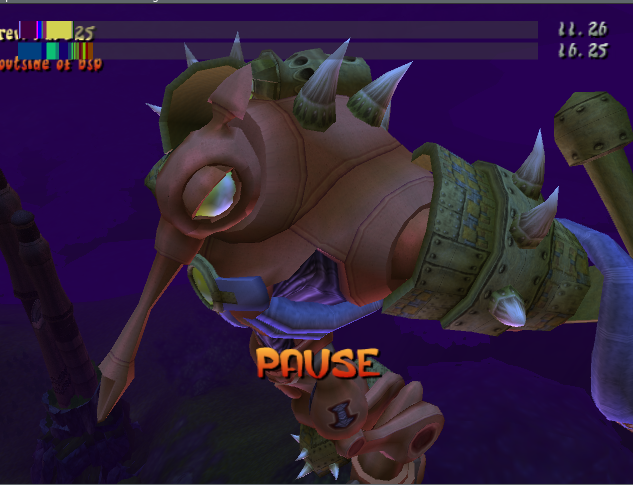 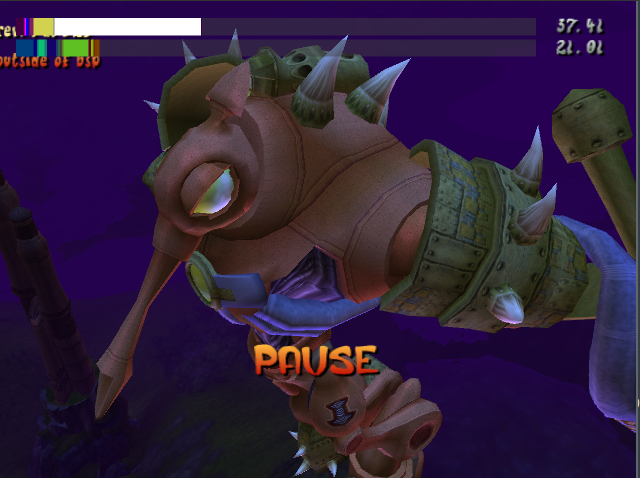


90 lines
3.1 KiB
C++
90 lines
3.1 KiB
C++
#include "Generic2.h"
|
|
|
|
#include "game/graphics/opengl_renderer/AdgifHandler.h"
|
|
|
|
#include "third-party/imgui/imgui.h"
|
|
|
|
Generic2::Generic2(const std::string& name,
|
|
int my_id,
|
|
u32 num_verts,
|
|
u32 num_frags,
|
|
u32 num_adgif,
|
|
u32 num_buckets)
|
|
: BucketRenderer(name, my_id) {
|
|
m_verts.resize(num_verts);
|
|
m_fragments.resize(num_frags);
|
|
m_adgifs.resize(num_adgif);
|
|
m_buckets.resize(num_buckets);
|
|
m_indices.resize(num_verts * 3);
|
|
|
|
opengl_setup();
|
|
}
|
|
|
|
Generic2::~Generic2() {
|
|
opengl_cleanup();
|
|
}
|
|
|
|
void Generic2::draw_debug_window() {
|
|
ImGui::Checkbox("Alpha 1", &m_alpha_draw_enable[0]);
|
|
ImGui::Checkbox("Alpha 2", &m_alpha_draw_enable[1]);
|
|
ImGui::Checkbox("Alpha 3", &m_alpha_draw_enable[2]);
|
|
ImGui::Checkbox("Alpha 4", &m_alpha_draw_enable[3]);
|
|
ImGui::Checkbox("Alpha 5", &m_alpha_draw_enable[4]);
|
|
ImGui::Checkbox("Alpha 6", &m_alpha_draw_enable[5]);
|
|
ImGui::Checkbox("Alpha 7", &m_alpha_draw_enable[6]);
|
|
|
|
ImGui::Text("Max Seen:");
|
|
ImGui::Text(" frag: %d/%d %.1f%%", m_max_frags_seen, (int)m_fragments.size(),
|
|
100.f * m_max_frags_seen / (float)m_fragments.size());
|
|
ImGui::Text(" vert: %d/%d %.1f%%", m_max_verts_seen, (int)m_verts.size(),
|
|
100.f * m_max_verts_seen / (float)m_verts.size());
|
|
ImGui::Text(" adgif: %d/%d %.1f%%", m_max_frags_seen, (int)m_adgifs.size(),
|
|
100.f * m_max_adgifs_seen / (float)m_adgifs.size());
|
|
ImGui::Text(" idx: %d/%d %.1f%%", m_max_frags_seen, (int)m_indices.size(),
|
|
100.f * m_max_indices_seen / (float)m_indices.size());
|
|
ImGui::Text(" bucket: %d/%d %.1f%%", m_max_frags_seen, (int)m_fragments.size(),
|
|
100.f * m_max_frags_seen / (float)m_fragments.size());
|
|
}
|
|
|
|
/*!
|
|
* Main render function for Generic2. This will be passed a DMA "follower" from the main
|
|
* OpenGLRenderer that can read a DMA chain, starting at the DMA "bucket" that was filled by the
|
|
* generic renderer. This renderer is expected to follow the chain until it reaches "next_bucket"
|
|
* and then return.
|
|
*/
|
|
void Generic2::render(DmaFollower& dma, SharedRenderState* render_state, ScopedProfilerNode& prof) {
|
|
// completely clear out state. These will get populated by the rendering functions, then displayed
|
|
// by draw_debug_window() if the user opens that window
|
|
m_debug.clear();
|
|
m_stats = Stats();
|
|
|
|
// if the user has asked to disable the renderer, just advance the dma follower to the next
|
|
// bucket and return immediately.
|
|
if (!m_enabled) {
|
|
while (dma.current_tag_offset() != render_state->next_bucket) {
|
|
dma.read_and_advance();
|
|
}
|
|
return;
|
|
}
|
|
|
|
// Generic2 has 3 passes.
|
|
{
|
|
// our first pass is to go over the DMA chain from the game and extract the data into buffers
|
|
auto p = prof.make_scoped_child("dma");
|
|
process_dma(dma, render_state->next_bucket);
|
|
}
|
|
|
|
{
|
|
// the next pass is to look at all of that data, and figure out the best order to draw it
|
|
// using OpenGL
|
|
auto p = prof.make_scoped_child("setup");
|
|
setup_draws();
|
|
}
|
|
|
|
{
|
|
// the final pass is the actual drawing.
|
|
auto p = prof.make_scoped_child("drawing");
|
|
do_draws(render_state, p);
|
|
}
|
|
}
|